
Bbq Gluten Free
You've invited a guest with coeliac disease, bought the steaks, lit the barbecue and set out the buns. Then you notice the same tongs have been used for everything, the marinade has been brushed across several batches and the sauce bottle has a sticky smear around the cap. That's the moment a relaxed summer cookout can become a source of real concern.
A gluten-free BBQ isn't created by removing the obvious bread. The grill, utensils, marinades, condiments and serving dishes all need a little planning. The good news is that the safest setup is also practical. A clean cooking zone, verified ingredients and a clear serving routine will protect your guest without turning you into a short-order chef.
Why Gluten-Free BBQ Matters for Hosts
A host often starts with a simple plan. They'll buy gluten-free buns, keep the sausages separate and avoid putting flour-based foods directly on the grill. That sounds sensible, but gluten can reach a plate through a marinade brush, a shared spatula, a contaminated chopping board or a sauce bottle that's been used over a regular burger.
That matters because coeliac disease affects about 1 in 100 people in the UK, while only around 36% have been diagnosed, leaving roughly 500,000 people undiagnosed, according to Coeliac UK's overview of coeliac disease. A host may therefore be catering for someone with a medically necessary gluten-free diet, even if the guest hasn't discussed it in detail.
Practical rule: Treat a coeliac guest's food as a separate cooking job, not as a garnish added to the main barbecue.
The wider demand is also larger than many hosts realise. Coeliac UK estimates that around 8% of UK adults aged 16 to 64 follow a gluten-free diet, representing an estimated market of about 2.9 million people, while gluten-free food eaten out and non-alcoholic drinks represented roughly £3.3 billion of spending in 2019 to 2020. Those figures place gluten-free BBQ food inside an established consumer need, not a passing preference.
The cost of getting it wrong
A guest may politely decline food rather than risk asking detailed questions. That can leave them with a plain salad while everyone else eats, or force them to bring their own meal. Neither outcome creates the inclusive family gathering most hosts want.
Shopping can be difficult as well. Coeliac UK reported in 2026 that the cheapest gluten-free loaf was more than six times the price of the gluten-containing equivalent, that a suitable weekly food shop could cost up to 35% more, and that nearly 8 in 10 people struggled to afford gluten-free products, as outlined in its report on the cost, access and availability of gluten-free food. Clear, reliable seasonings and well-planned ingredients help reduce waste and make the meal easier to organise.
The best hosts ask early what the guest needs, choose a defined safe area and keep that food separate from preparation through serving. That approach is considerate, repeatable and far less stressful than trying to fix contamination after the food has cooked.
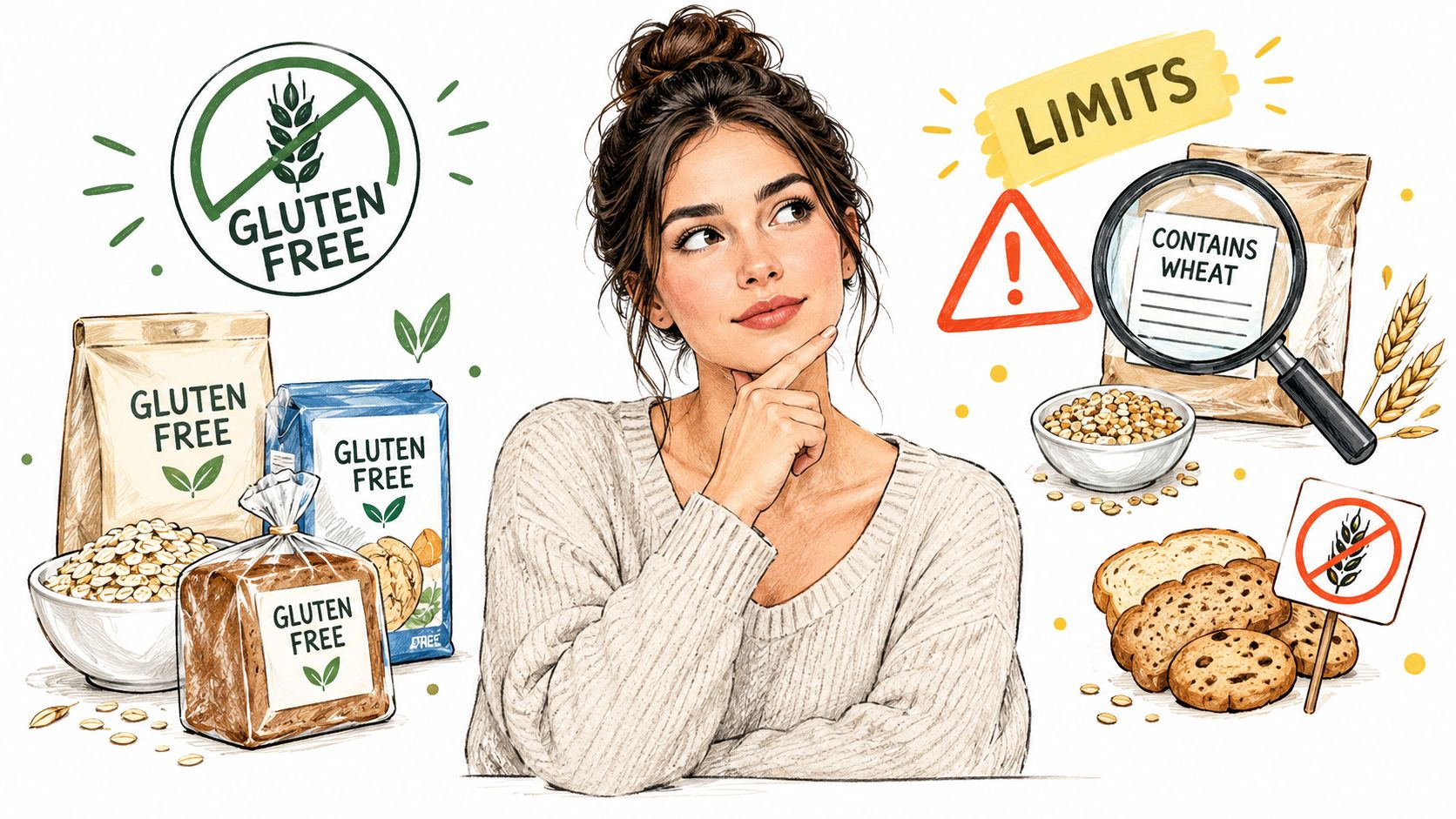
Understanding Gluten-Free Labels and Limits
The phrase gluten-free has a specific legal meaning in the UK. It doesn't mean a product contains absolutely no gluten. It means the product contains no more than 20 milligrams per kilogram, or 20 parts per million, in the food as sold to the final consumer, according to UK government technical guidance on allergen labelling.
A separate very low gluten claim can apply up to 100 milligrams per kilogram. That isn't the same claim as gluten-free, so don't treat the two labels as interchangeable when buying rubs, sauces or ready-to-cook meats.

Read the label before the food reaches the grill
Use this quick process when choosing a BBQ product:
- Start with the front label. Look for a clear gluten-free statement rather than assuming a product is safe because it contains spices.
- Read the full ingredient list. Seasonings, sauces and marinades may include composite ingredients that need closer inspection.
- Check the product every time you buy it. Recipes, factories and packaging can change.
- Ask the guest if they need a specific level of assurance. Some people will only use products with recognised certification or a familiar manufacturer.
- Keep the packaging available. If a guest has a question, they can inspect the label rather than relying on memory.
For a practical guide to choosing seasoning for this style of cooking, use this guide to gluten-free seasoning. It should support your label-checking process, not replace it.
What the threshold means in practice
A rub doesn't need to be made from zero cereal-derived ingredients to meet the gluten-free definition. The relevant question is whether the finished product stays within the legal threshold and is labelled accurately.
That's why “it's only a little flour” isn't a safe hosting assumption. A small ingredient can still change the product's status, and loose seasoning can spread from a shared spoon or open tub. Use a clean spoon, keep the lid closed and never tip unused seasoning back into the original container after it has touched raw food.
Hidden Gluten in BBQ Sauces and Marinades
The main protein is rarely the only thing to investigate. Gluten can hide in the supporting ingredients, especially in bottled sauces, marinades, stock-based liquids, sausage mixes and seasoning blends. The risk often appears when a host buys a familiar product without checking the current label.
Soy sauce deserves particular attention because many conventional versions are brewed with wheat. Malt vinegar is another ingredient to question, while wheat-based thickeners can appear in sauces that look no different from naturally gluten-free alternatives. A BBQ sauce may also contain a compound ingredient that requires more than a quick glance at the front of the bottle.
Build a condiment checkpoint
Before shopping, divide the menu into three groups:
| BBQ ingredient | What to check | Safer working habit |
|---|---|---|
| Rubs and dry seasonings | Gluten-free wording, ingredients and handling instructions | Use a clean spoon and a dedicated bowl |
| Marinades and sauces | Soy sauce, malt vinegar, thickeners and compound ingredients | Pour into a fresh dish instead of dipping a brush into the bottle |
| Sausages and prepared meats | The full ingredient list and allergen information | Buy products with clear labelling and keep their packaging |
Don't rely on colour, texture or brand familiarity. Two smoky sauces can look identical while using different thickeners. The same applies to sausages, burger patties and pre-marinated chicken.
A useful cooking habit is to make one marinade for the gluten-free food in a clean container before handling anything else. Use a new brush or spoon for that container. If a brush has touched a regular marinade, it mustn't go back into the gluten-free batch.
Separate preparation from serving
A clean ingredient can still become unsafe at the table. Keep gluten-free sauce in a small bowl with its own spoon, rather than placing it beside a shared bottle that guests may touch with utensils from their plates. Put gluten-free buns, wraps and snacks on a separate platter, and label them clearly if several similar foods are present.
This is also where snack planning matters. If you're adding nibbles before the main meal, check gluten free snack options from Rip Van and verify each chosen product against the guest's needs before serving.
The same care applies to leftovers. Don't scrape food from the regular grill tray onto a gluten-free plate, and don't use the same foil packet for both versions. A little organisation at the start prevents rushed decisions once guests arrive.
Preventing Cross-Contamination on the Grill
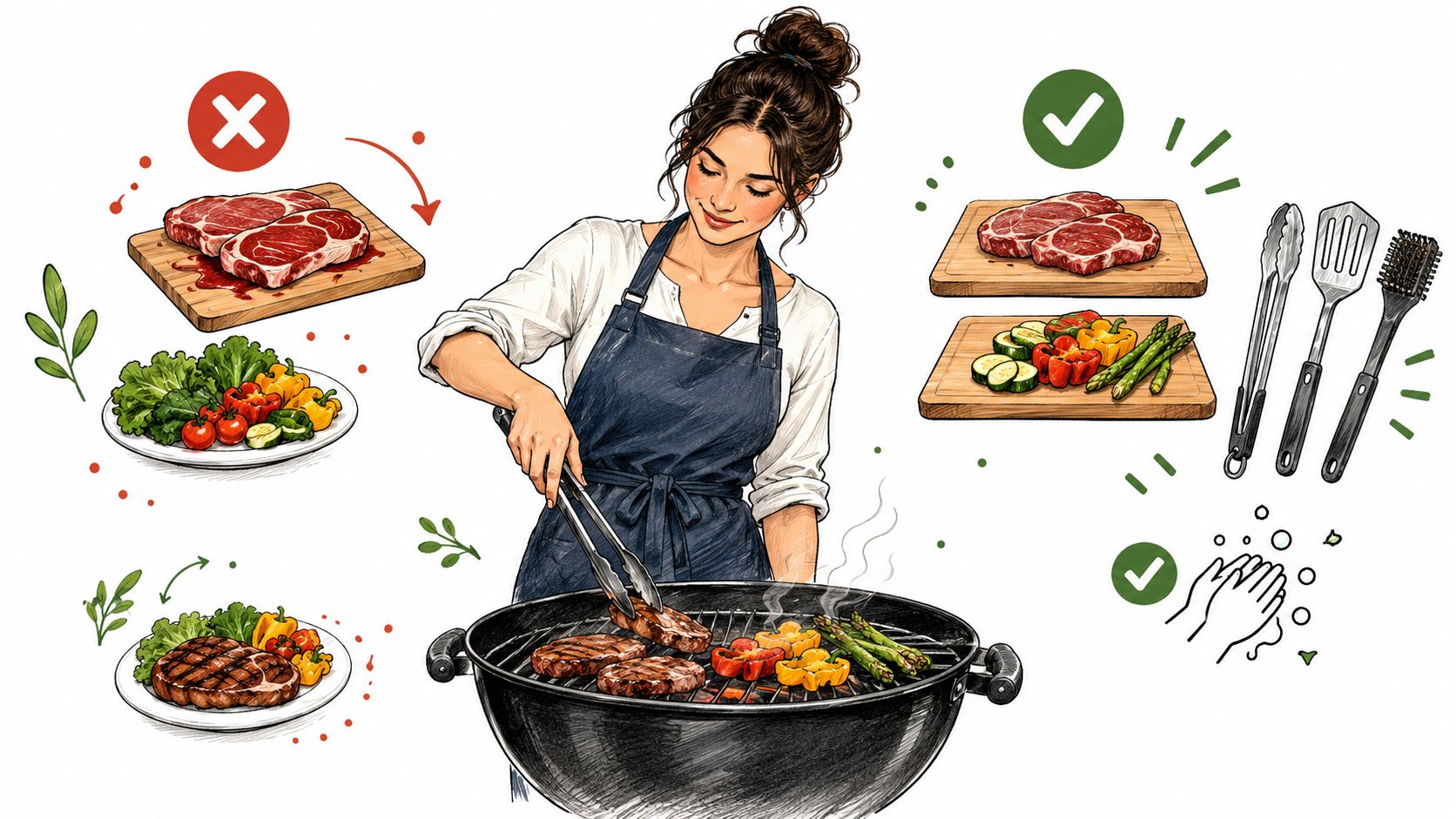
A barbecue creates several shared contact points at once. The grate touches food, tongs touch the grate and food, trays collect cooked items, and guests then move serving utensils between dishes. Cross-contact control has to cover the entire route from prep area to plate.
UK allergen guidance treats this as a process-control issue. Businesses are expected to segregate ingredients, clean utensils between uses, wash hands and store ingredients in closed, labelled containers. If a product or process can't reliably control cross-contact, it shouldn't be marketed as free-from, and precautionary labelling should follow a documented risk assessment, according to UK allergen guidance for food businesses.

Set up the safe zone first
Use this sequence before lighting the barbecue:
- Clean the grate and surrounding surfaces. Remove old food residue, then use a clean tray for cooked food. Follow a thorough guide to cleaning a BBQ grill rather than relying on a quick brush between batches.
- Choose one cooking area. Use clean foil, a fresh tray or a separate grate to create a visible safe zone. CIEH calls these BBQ “safe zones” and recommends clean foil or separate trays in its guidance on inclusive BBQs for people with coeliac disease.
- Cook gluten-free food first. This keeps the clean section free from crumbs, residue and splashes from ordinary products.
- Assign utensils. Use separate tongs, a separate turner and a separate basting brush. Put them beside the safe zone so nobody has to guess.
- Use a dedicated cooked-food platter. Never return cooked gluten-free meat to the tray that held raw or marinated food.
- Protect the serving line. Give gluten-free dishes their own spoons and keep them away from crumbs, regular buns and shared sauces.
The simple setup that works: clean grate, clean foil or tray, clean utensils, gluten-free food first, dedicated serving platter.
Manage the grill realistically
A separate safe zone can reduce risk, but it doesn't make a dirty grill automatically safe. If the grate is covered with residue or the barbecue has cooked flour-coated foods, use a fresh surface or cook the gluten-free food in a clean tray. Don't assume high heat will solve every contamination problem, because the residue can remain on utensils, trays and surrounding surfaces.
Tell one person that they're responsible for the gluten-free area. Multiple helpers often create the exact confusion you're trying to avoid. Keep the guest's portion together, and explain to other guests that the separate tongs and sauce spoon aren't optional extras.
Choosing Safe Gluten-Free BBQ Products
The best seasoning for a gluten-free BBQ has to do two jobs. It needs to deliver a clear flavour, and it needs to fit a label-checking process that you can repeat every time. Avoid choosing a product solely because the ingredient name sounds harmless. Check the current packaging, allergen information and any manufacturer guidance before serving it to someone with coeliac disease.
A clean-label blend with no unnecessary fillers is easier to assess than a complicated mix with a long list of functional ingredients. It also gives the meat, vegetables or plant-based food a more defined flavour rather than a vague salty coating.
Match the seasoning to the food
For BBQ seasonings for chicken, pat the chicken dry, apply a light even coating and leave it on a clean tray while the grill heats. For a quick weeknight option, use Chipotle Cowboy Chicken Rub on thighs, or choose Wingman Wing Rub for wings. If you want a citrus-led profile, Miami Mojo Citrus Blend suits chicken and grilled vegetables.
For seasonings for BBQ ribs, apply the rub to a dry surface, press it in rather than rubbing it away and keep the rack on its own clean tray. Hickory Hog Pork Rub brings a traditional pork direction, while Cherry Force BBQ Rub gives you a fruit-forward option.
For pulled pork, use SPG Base Blend as a straightforward foundation before cooking, then add sauce only from a verified bottle or clean bowl. This approach keeps the flavour adjustable and avoids committing the whole joint to a sauce whose ingredients haven't been checked.
Build a broader flavour table
Vegetables don't need to be an afterthought. Greek Odyssey Gyros Rub works with courgette, peppers and mushrooms, while Holy Jalapeño Fajita Seasoning can add heat to peppers, onions or corn. For beef, try Revolution Beef Rub. Al Pastor Taco Seasoning and Texas Red Chili Mix give you useful directions for taco fillings, chilli or grilled pork.
These blends are positioned around bold global flavours, plant-based ingredients, recyclable craft-can packaging and no added fillers. Still, a host should check the product label before every event, particularly when cooking for a medically necessary gluten-free diet.
If snacks also need to avoid several allergens, use this resource for where to buy nut-free snacks, then confirm the individual packaging before putting anything on the table.
Hosting a Successful Gluten-Free BBQ
A safe cookout starts before the guests arrive. Ask about dietary requirements early, decide which foods will be gluten-free by default and keep the packaging nearby. Cooking the whole menu gluten-free can be the simplest option when the group is small, because it removes several shared-contact decisions.
Use this host's checklist:
- Before shopping: Check rubs, sauces, sausages, buns, snacks and drinks against the guest's requirements.
- During preparation: Wash hands, clean the worktop, separate ingredients and use fresh utensils.
- At the barbecue: Establish the safe zone, cook those foods first and keep the dedicated tools beside it.
- At serving: Use separate platters and spoons, then keep gluten-containing buns and crumbs away from the gluten-free dishes.
- When guests arrive: Explain the arrangement briefly so nobody accidentally swaps utensils.
For drinks and food matching, a beer and barbecue pairing guide from Carbon 6 Brewing can help you plan the menu, but check every drink and mixer for the individual guest's needs.
The guide to hosting a BBQ party in the UK can help with the wider event plan. Keep the gluten-free food clearly identified, serve it first and give the guest confidence that the cooking process has been controlled rather than improvised.
Gluten-free BBQ FAQs
Can I use the same BBQ for gluten-free food?
Yes, but only with a properly cleaned cooking surface and controlled preparation. A clean safe zone, fresh foil or a separate tray, dedicated utensils and cooking gluten-free food first are practical measures recommended in UK guidance. Ask the guest what they're comfortable with if there's any uncertainty.
Are BBQ rubs automatically gluten-free?
No. Spices may be naturally free from gluten, but blended products can contain other ingredients or face handling risks. Check the current label and use a clean spoon rather than handling the rub over food.
Can gluten-free meat share a serving platter?
It shouldn't share a platter with food that may contain gluten. Use a clean dedicated dish, keep separate serving utensils available and protect the food from crumbs at the table.
What's the safest approach for sauces?
Verify the bottle, pour sauce into a clean bowl and give it its own spoon. Don't use a brush that has touched a regular marinade, and don't let guests dip used utensils into the gluten-free portion.
Choose seasonings with clear labels, prepare a dedicated grill zone and give every gluten-free dish its own route from tray to plate. Visit Smokey Rebel to explore small-batch BBQ rubs and flavour blends for chicken, pork, beef, vegetables and family cookouts, then check each product label before serving.
Join our Mailing List
Sign up and get Smokey Rebel Recipes + weekly recipes straight to your inbox!
Recent articles
Bbq Gluten Free
Bbq gluten free. Your complete gluten-free BBQ guide: avoid hidden gluten, prevent cross-contamination, and enjoy safe grilled food
Read moreRoast Potato Seasoning: How to Build Flavour That Lasts
Learn how to make roast potato seasoning that actually delivers, from DIY blends to timing, technique and the right Smokey...
Read moreBeer Can Chicken: The Essential Grilling Guide
Master beer can chicken on the grill with this complete guide. Learn food safety, techniques, rubs and troubleshooting for perfect...
Read more