Explore Gluten Free Seasoning: Your 2026 UK Guide
Around 1 in 100 people in the UK have coeliac disease, and only 36% are clinically diagnosed, so gluten free seasoning matters far more often than many shoppers realise. A gluten free seasoning is a blend made without any wheat, barley, or rye-derived ingredients, and for people with coeliac disease or gluten sensitivity, that matters because those ingredients can trigger an immune reaction or other unwanted symptoms.
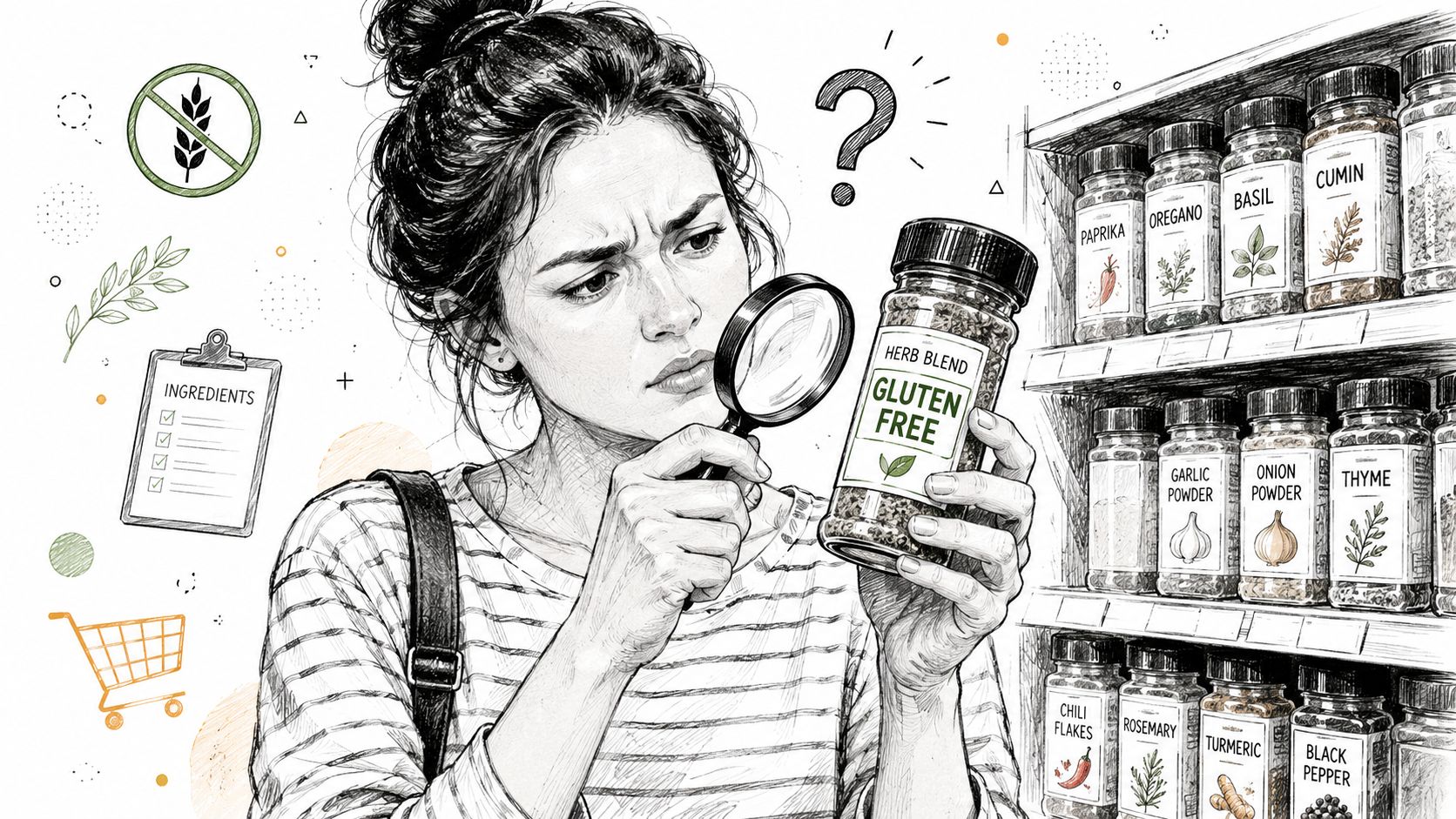
You know the moment. You're in the supermarket aisle, turning a spice jar round and round, squinting at tiny print, wondering how something as innocent-looking as a BBQ rub could possibly be complicated.
It can be complicated. Not because spices are naturally suspicious, but because seasoning blends are processed foods. Once spices are mixed with anti-caking agents, flavourings, fillers, or barley-derived ingredients, the question changes from “Is paprika gluten free?” to “Was this particular blend formulated and handled safely?”
That's where confidence comes from. Not guesswork. Not panic. Just knowing what to look for, what questions matter, and how to use bold flavour safely in your own kitchen.
What Is Gluten-Free Seasoning and Why It Matters
A gluten free seasoning starts with a simple rule. It contains no wheat, barley, or rye-derived ingredients. If you're cooking for someone with coeliac disease, that's not a lifestyle extra. It's a safety issue.
In plain terms, single herbs and spices are often straightforward. Oregano is oregano. Cumin is cumin. Black pepper is black pepper. The trouble usually begins when those ingredients are turned into a blend for tacos, wings, fajitas, roasts, or slow-cooked pork.

Why UK shoppers care about this
This isn't a tiny edge case. Coeliac UK states that around 1 in 100 people in the UK have coeliac disease, yet only 36% of those affected are clinically diagnosed, which means many people are still trying to connect symptoms with foods they use every day, including seasoning blends and rubs used in home cooking, as noted in this UK gluten-free market report.
That matters in real kitchens because seasoning gets used everywhere. You rub it onto chicken thighs before the air fryer. You shake it into mince for burgers. You stir it into chilli, roasted vegetables, marinades, and traybakes. If the seasoning isn't safe, the whole meal isn't safe.
Practical rule: Don't judge a seasoning by the spice list alone. Judge it by the full ingredient list and the gluten-free claim on the pack.
What confuses people most
Many home cooks assume “spices” means “safe”. That's only partly true.
A plain jar of turmeric is different from a smoky burger blend. A garlic granule is different from a chicken rub with added flavour carriers. Once a manufacturer starts blending, flow agents, starches, and flavouring ingredients can enter the picture. For someone avoiding gluten, that's the gap between cooking freely and second-guessing every spoonful.
A good gluten free seasoning should make your life easier, not more stressful. You should be able to season generously, cook confidently, and enjoy the flavour without playing detective at the table.
Uncovering Hidden Gluten in Spice Blends
The base spices usually aren't the problem. Formulation control is.
According to Schär's guidance on gluten-free spices, single-ingredient herbs and spices are naturally gluten-free, while blends can introduce gluten through wheat starch, wheat flour, or barley-derived ingredients. That same guidance makes an important point for shoppers. The most reliable buying signal is an explicit gluten-free claim backed by certification.
Where hidden gluten sneaks in
Manufacturers don't always add gluten because they want to bulk out a product in an obvious way. Sometimes it appears because a blend needs to flow smoothly, cling well to food, or deliver a certain texture.
That means a spice blend can look harmless and still create risk.
Here's a simple label-reading table to keep in mind:
| Ingredient Name | Potential Gluten Source |
|---|---|
| Wheat flour | Direct wheat ingredient |
| Wheat starch | Wheat-derived thickener or carrier |
| Barley-derived ingredients | Barley source of gluten |
| Malt | Often linked to barley |
| Breadcrumb-style fillers | May contain wheat |
| Anti-caking agents in blends | Need checking if source isn't clear |
| Flavourings with vague wording | Need confirmation from the brand |
| “May contain” advisory wording | Possible cross-contact risk, not a clear gluten-free assurance |
Single spices versus blends
A useful way to think about it is this:
- Single spices are simpler: Fewer ingredients usually means fewer places for gluten to hide.
- Blends need more scrutiny: More ingredients and more handling steps mean more room for gluten-containing additions or cross-contact.
- BBQ rubs deserve special attention: Rubs often include salt, sugar, spice extracts, smoke-style flavour notes, or texture-supporting ingredients.
Plain paprika and a smoky pork rub don't behave the same way in a factory, even if both sit on the same shelf in your cupboard.
What “may contain” means in practice
Readers often get stuck here. A “may contain” statement doesn't tell you that gluten is definitely in the product. It tells you the manufacturer sees some level of possible cross-contact risk and wants to flag it.
For many households, that wording is enough to put the product back on the shelf. That's a reasonable choice. If you're buying for someone with coeliac disease, the cleaner option is a blend with a direct gluten-free claim and a straightforward ingredient list.
Here's the mindset that helps most:
- Start with the front of pack. Is there a clear gluten-free claim?
- Read the full ingredient list. Look for wheat, barley, rye, malt, or unclear starches.
- Check the advisory wording. “May contain” doesn't equal reassurance.
- Prefer brands that explain their standards clearly. If the label feels vague, move on.
That approach saves time. It also ensures your seasoning rack remains stocked with products you can confidently use.
Choosing Safe Seasonings With Confidence
The gluten-free aisle has matured. It isn't only about bread and pasta now. Industry research says the UK gluten-free baking mixes market is projected to grow at a 6.5% CAGR, showing steady category expansion and stronger interest in clean-label, allergen-aware home cooking, according to MarketsandMarkets' gluten-free products release.
That wider shift helps seasoning buyers too. More shoppers now expect transparent labels, cleaner ingredient lists, and fewer mystery additives in everything from burger rubs to weeknight chicken blends.
What to look for on the pack
If you want a seasoning you can trust, use a simple hierarchy.
- Best signal: A clear gluten-free claim and recognised certification.
- Good signal: A tight ingredient list with no wheat, barley, rye, or vague filler language.
- Weak signal: “Natural flavours” or broad wording without a gluten-free claim.
- Poor signal: Long ingredient lists that leave you guessing.
A label shouldn't make you work hard. If it does, skip it.
Why clean labels matter
A short ingredient list isn't a guarantee on its own, but it does make risk easier to assess. You can see what's in the blend. You can spot problem ingredients quickly. You can compare one product with another without needing a food science degree.
For UK shoppers who want to understand how specialist makers approach ingredient transparency, this guide to UK spice suppliers is a useful place to learn more about sourcing and what separates a careful blend from a vague one.
Buying shortcut: If the ingredient list is clear and the gluten-free statement is clear, the decision gets much easier.
There's also a flavour point here. Brands focused on clean labels and no unnecessary fillers usually let the spices do the heavy lifting. That matters when you're building layers of flavour on ribs, roast veg, chicken thighs, or pulled pork. You want a seasoning that tastes bold because of what's in it, not padded out by what shouldn't be.
Avoiding Cross-Contamination in Your Kitchen
Buying a safe seasoning is only half the job. Your kitchen habits matter just as much, especially if some people in the house eat gluten and others don't.

A common problem is the “shared hands” issue. Someone seasons chicken, then grabs a spoon from a floury worktop, then dips back into the spice tin. The product itself may have started safe. The kitchen handling didn't stay safe.
Small habits that make a big difference
Try these at home:
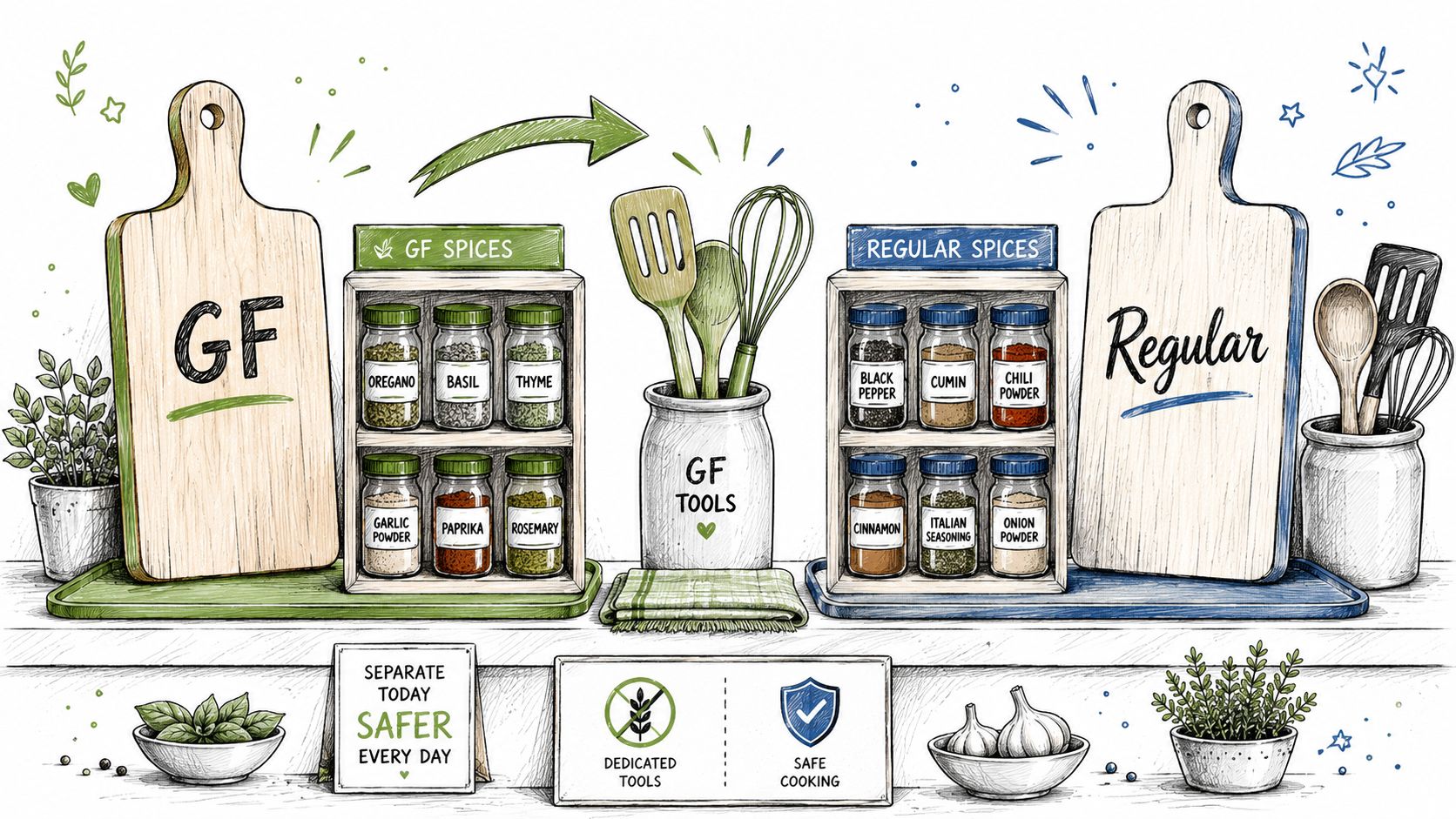
- Set up a gluten-free zone: Keep safe seasonings on a separate shelf or in a dedicated basket.
- Use clean spoons every time: Don't shake seasoning over steaming pots if moisture can get back into the container.
- Wash before you season: Hands, tongs, chopping boards, and trays should all be clean first.
- Avoid shared “double dip” foods: Butter, mayo, and marinades can pick up crumbs fast.
- Label your tools: If one board is for gluten-free prep, keep it that way.
These are boring little steps. They're also the steps that stop kitchen accidents.
Mixed households need a routine
If only one family member is gluten free, don't rely on memory. Build a routine instead. Season the gluten-free food first. Use clean utensils. Plate it first. Then carry on with the rest of the meal.
That removes the last-minute confusion that often causes mistakes.
If you're also reviewing other food categories beyond seasonings, Yuve's guide to gluten-free probiotics is a handy example of how to think about ingredient checks in products people don't always question at first glance.
Some people prefer seeing kitchen setup in action. This short video is useful for thinking visually about safer food handling habits at home.
Keep the gluten-free food separate from the moment you prep to the moment you serve. That's where safety lives.
Putting Your Gluten-Free Seasonings to Use
This is the fun bit. Once you've found a seasoning you trust, you can stop hovering over labels and get back to cooking food that tastes exciting.

A safe seasoning shouldn't live in the cupboard waiting for a special occasion. It should earn its keep on a Tuesday night traybake, a Friday wing feast, and a Sunday pork shoulder.
Fast wins for weeknight cooking
Start with chicken thighs. Pat them dry, coat lightly with oil, then season generously with an all-purpose blend. Roast or air fry until cooked through, and finish with a squeeze of lemon if you want brightness.
For that style of everyday cooking, SPG (Salt Pepper Garlic) Base Blend works as a practical foundation because it suits chicken, veg, burgers, and steaks without making the meal feel tied to one cuisine. If you want more ideas for using that kind of base blend across different dishes, this guide on how to use SPG seasoning on everything gives plenty of easy applications.
Wings in the air fryer
For crispy wings, dry the wings well, add a little oil, coat evenly with seasoning, and air fry until the skin is browned and the meat is cooked through. Shake the basket partway through so the edges colour evenly.
Wingman Wing Rub makes this easy because wings need flavour that sticks fast and tastes good on crisp skin. Serve with a simple slaw or oven chips and you've got a proper game-night plate without much fuss.
Seasoning works better on dry surfaces. If the chicken is wet, the flavour clumps instead of coating evenly.
Pulled pork and slow cooking
If you're making pork shoulder, don't be shy. Coat the outside thoroughly, pressing the rub into the meat so it forms a proper crust as it cooks. Let it sit while you heat the oven or smoker, then cook low and slow until the meat pulls apart easily.
Hickory Hog Pork Rub is a straightforward option for that job because pork loves sweet, savoury, and gently smoky notes. Toss the shredded pork in its own cooking juices before serving so the flavour reaches every strand.
Fajita night without the faff
Slice chicken or peppers and onions, add oil, coat with seasoning, and cook hot and fast in a pan until everything picks up colour. That gives you charred edges and a deeper savoury finish.
Holy Jalapeño Fajita Seasoning fits this style of meal well, especially when you want something lively without having to measure out five different jars. If you're building a broader gluten-free spread for guests, you could pair your mains with naturally gluten-free sides and explore IFM Gourmet's cheese bread for inspiration on a bread option that feels a bit different from the usual rolls.
Don't forget vegetables
Gluten free seasoning isn't only for meat. Cauliflower, courgettes, mushrooms, carrots, and potatoes all handle bold spice brilliantly. Oil them lightly, season well, and roast on a hot tray so the edges caramelise instead of steaming.
For cooks who like trying different flavour directions, one option among others is Smokey Rebel's small-batch range, which focuses on clean, filler-free blends in craft can packaging. Products like Greek Odyssey Gyros Rub or Chipotle Cowboy Chicken Rub can make vegetables feel far less like an afterthought.
Storing Seasonings for Freshness and Safety
A seasoning can be perfectly safe when you buy it and less trustworthy after a few messy weeks in the kitchen. Storage matters for flavour, but it also matters for keeping gluten-free products clean.
Keep heat, steam, and flour away
Store seasonings in a cool, dark, dry place. Don't keep them above the hob where steam rises into the lids. Don't leave them open on the counter while baking. And don't shake them directly over bubbling pots if moisture can travel back into the container.
If your kitchen also uses wheat flour, sealed packaging helps reduce accidental contamination from airborne dust or grubby hands. That's one practical reason many cooks prefer cans or tightly closing containers over flimsy packets.
Build a safer spice rack
A simple routine works well:
- Group gluten-free blends together: It stops mix-ups when you're cooking fast.
- Wipe lids and rims regularly: Residue builds up faster than expected.
- Use dry measuring spoons: Moisture causes clumping and shortens the life of the blend.
- Close the container straight away: Open jars invite spills, steam, and confusion.
If you're curious why some seasoning makers choose tins rather than bags or basic shakers, this guide on why our seasonings come in cans explains the practical benefits for freshness and handling.
A tidy spice rack won't make dinner for you. It will make safe, flavourful cooking much easier on busy nights.
Frequently Asked Questions About Gluten-Free Seasoning
Are plain spices usually safer than blends?
Usually, yes. Single-ingredient herbs and spices are simpler because there are fewer ingredients and fewer opportunities for gluten-containing additions. Blends need more checking because they may contain added carriers, starches, or flavouring ingredients.
Is a tiny trace in seasoning always a major problem?
The answer is more nuanced than many people expect. Guidance from celiac experts notes that a typical serving of ground spice is about 0.5g, and even at 160 ppm contamination that would equal 0.08 mg of gluten, while most individuals with coeliac disease can tolerate less than 10 mg per day, according to this gluten-free spices and seasonings guidance. That suggests the bigger concern is repeated exposure, contaminated blends, and cumulative risk across multiple products, rather than occasional trace amounts in plain spices.
Should I still prioritise clearly labelled products?
Yes. The dosage point helps reduce fear, but it doesn't replace careful shopping. You still want blends with clear ingredient lists and a direct gluten-free claim when you're cooking for someone with coeliac disease.
Can I make my own gluten-free seasoning at home?
Absolutely. Start with verified single spices, mix in a clean bowl, and store the blend in a labelled airtight container. Homemade blends are useful if you want full control over salt, heat, sweetness, or herbs.
What if I want variety without buying random jars?
A curated option can make life easier, especially if you're trying to build a more reliable seasoning shelf. Build Your Own Bundle is a practical route if you want to choose flavours that match the foods you cook most often, such as wings, pork, beef, fajitas, or everyday grilling.
If you want bold flavour with cleaner ingredients and practical options for everyday cooking, have a look at Smokey Rebel. You'll find small-batch BBQ rubs, globally inspired blends, gift sets, and build-your-own options that make it easier to stock a seasoning shelf you'll use.
Join our Mailing List
Sign up and get Smokey Rebel Recipes + weekly recipes straight to your inbox!
Recent articles
Best BBQ Gift Ideas for Every Pitmaster in 2026
Discover the best BBQ gift ideas for 2026, from rubs and pellets to thermometers and bundles. Practical picks for every...
Read moreLemon Herb Seasoning: A Practical Guide to Flavour
Learn what lemon herb seasoning is, how to use it on chicken, fish and veg, plus storage tips and the...
Read moreWhat Is BBQ Seasoning and How to Use It Well
What is BBQ seasoning? Learn ingredients, types, flavour profiles and how to use BBQ rubs for chicken, ribs and veg...
Read more