Roast Potato Seasoning: How to Build Flavour That Lasts
You've got the roast dinner nearly sorted. The meat is resting, the gravy is reducing, and the potatoes are sitting in the tray looking golden enough from a distance. Then you bite into one and get a soft, pale shell with a brief hit of salt before the flavour disappears. That's the frustrating part. A roast potato can have the right texture and still taste like an afterthought.
Good roast potato seasoning isn't just something shaken over the tray at the end. It's a layered decision involving the cooking water, the fat, the crust, the timing of the flip and the final finish. Once you treat the potato as a proper part of the meal rather than a blank carrier for gravy, simple blends become much more effective.
Why Most Roast Potatoes End Up Boring
The tray looks promising until the first bite. The potatoes are browned around the edges, the gravy is rich and the roast has a proper crust, yet the potato itself tastes mostly of oil and a late pinch of salt. A crisp exterior cannot compensate for seasoning that never reached the surface properly.
Potato variety and oven temperature both affect the result. The more common failure is treating flavour as one job done at the end. Dried herbs scattered over a finished potato sit on a hardened shell, while a wet spice paste added before roasting can delay browning and leave the surface soft. Heat, moisture and timing decide where each ingredient will work.
The UK gives this approach plenty of practical relevance. A peer-reviewed review of UK eating patterns found that more than half of potatoes consumed are eaten as chips, roast potatoes or other processed potato products, with average per-capita consumption recorded at 85 g per day. It also reported that over 92% of people ate potatoes at least once during the four-day survey period. Roast-style potato dishes belong to everyday cooking, so seasoning deserves more attention than a final sprinkle. The analysis is available through the Tesco listing containing the UK potato analysis.
Practical rule: Build flavour in stages, and give each seasoning a specific job.
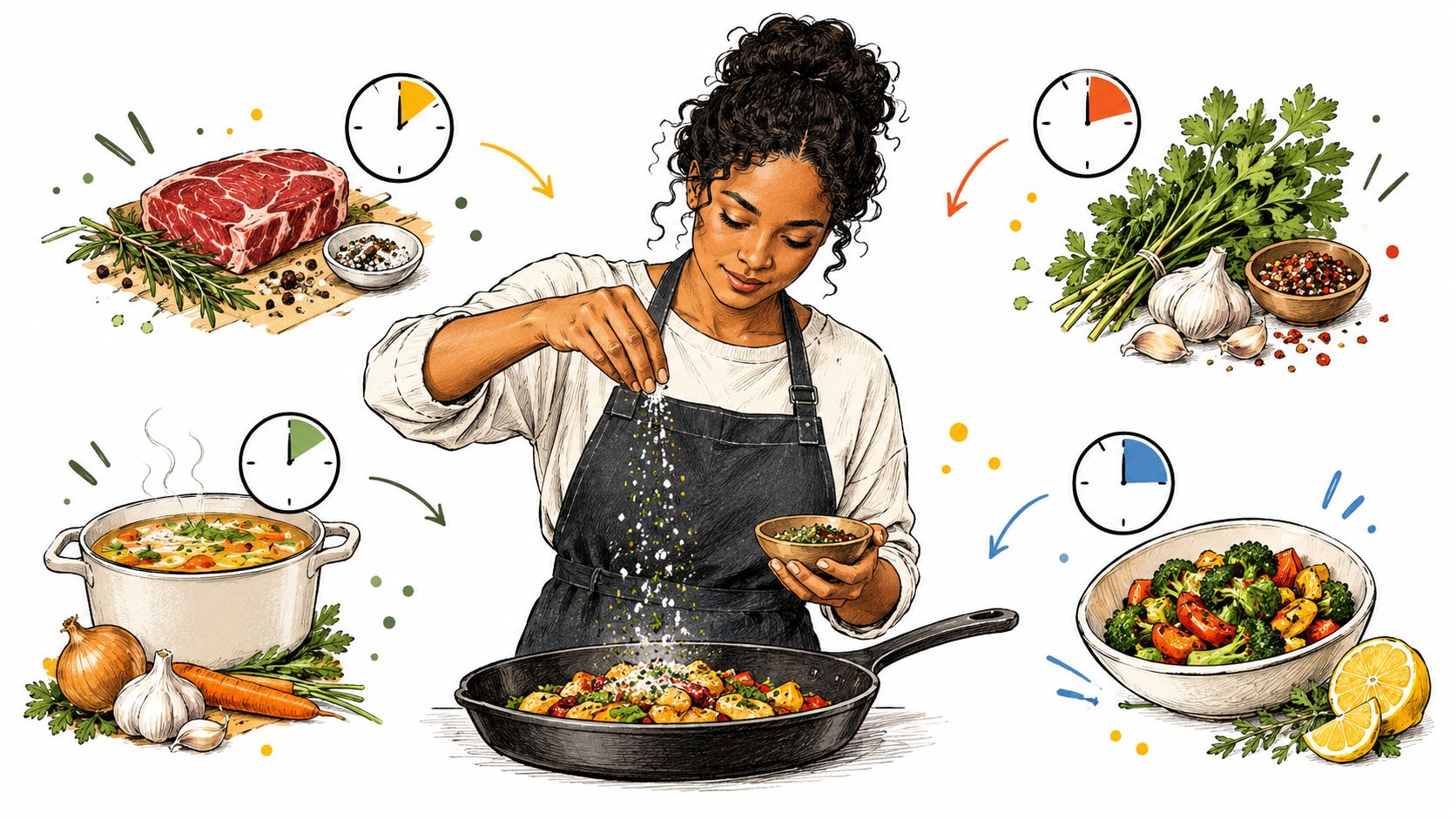
Use the cooking water to season the potato internally and establish its savoury base. Add dry aromatics to hot fat, where they can coat the rough surface and toast as the potatoes brown. After the flip, introduce bolder spices that need less time in direct heat and are less likely to burn. Finish with fresh, sharp or delicate ingredients once the tray leaves the oven.
That layered method supports far more than rosemary and garlic. The same potato can take a traditional herb profile, a smoky BBQ rub or a hotter spice blend, provided the ingredients arrive at the right stage. Strong seasoning still needs restraint: too much salt in the water, too many powdered spices on the tray or a wet finish can hide the potato and weaken its crust.
For the cooking sequence behind these choices, follow this guide to cook roast potatoes properly. Then decide which flavours belong in the water, on the tray, after the flip and at the finish.
The Foundation for Seasoned Roast Potatoes
A burnt tray teaches the same lesson every time: seasoning cannot rescue potatoes that went into a cold, crowded pan. Crispness gives flavour something to cling to. A rough, floury surface holds fat and toasted spices instead of letting them slide into the bottom of the tray.
Start with the potato, not the spice jar
Cut the potatoes into even pieces so they become tender at roughly the same time. Put them into cold, heavily salted water, bring the pan up gradually and simmer until the edges are tender but the centres still resist the knife. The outside should be soft enough to rough up, not collapsing.
Drain thoroughly and leave the potatoes in the colander to steam-dry for 10 to 15 minutes. Shake the colander firmly once or twice. Those broken edges create a starchy, floury coating that turns rugged and crisp in the oven.

Treat seasoning as a sequence rather than one final shake. Salt in the water builds the savoury base, dry herbs and garlic can go into the hot fat or onto the potato before roasting, and stronger powdered spices are safer after the flip, when they have less time to scorch. Fresh herbs, citrus or other delicate finishes belong after the tray comes out.
Keep dried ingredients consistent and finely cut when making your own combinations. Tealyra herbs and spices is useful for comparing whole dried leaves, ground spices and lighter finishing herbs. Large woody pieces can burn on the tray while fine powders disappear into the fat.
Heat the tray before the potato
Put the roasting tray and fat into a properly preheated oven. A reliable UK setting is about 200°C, 180°C fan or Gas 6, with a roasting time of roughly 40 to 50 minutes, turning once or every 15 minutes. The BBC Food roast potato method follows the same core sequence: parboiling, steam-drying, hot fat and turning.
The fat must be fully hot before the potatoes go in. Lukewarm oil soaks into the surface while the tray recovers heat, leaving the potatoes greasy and leathery instead of crisp. Leave space between pieces as well. Crowding traps steam, so use two trays if needed.
The small mistake that ruins the crust: adding the potatoes before the fat is hot. Seasoning cannot create browning where the surface has been steamed.
Once roasted, the dry, textured crust can hold a simple savoury rub. SPG Salt Pepper Garlic seasoning suits that role, and this guide explains how to use SPG seasoning on everything without turning the potatoes into a salty coating. Use a light layer first, then judge the finished tray before adding more.
Three DIY Roast Potato Seasoning Blends Worth Making
Homemade blends work best when each ingredient has a clear role. Salt sharpens the potato, herbs give it identity, paprika adds colour and warmth, while citrus or chilli keeps a rich roast dinner from feeling heavy.
Make the blends in small batches and store them in airtight jars away from the cooker. The practical test is simple. If the dried herbs still smell lively when you open the jar, the mix is useful. If it smells dusty, replace it rather than tipping in extra to compensate.
Classic rosemary and garlic
Use a ratio of 2 parts garlic powder, 1 part dried rosemary, 1 part flaky salt and 1 part black pepper. Crush the rosemary between your fingers before mixing so the pieces don't sit in large, woody clumps on the potato.
This is the safest choice for a traditional Sunday roast. It works with beef, lamb, chicken and rich gravy, and it stays recognisable without becoming bland. Add most of the mix after the potatoes have been coated in fat, then reserve a small pinch for the final finish.
Smoked paprika and cumin
For a deeper crust, mix 2 parts sweet paprika, 1 part smoked paprika, 1 part garlic powder, ½ part ground cumin and 1 part salt. The sweet paprika gives colour, the smoked paprika provides a wood-fired impression and cumin adds an earthy note that suits beef or bean-based mains.
This blend can taste harsh if it is piled onto the potatoes before the tray has developed heat. Hold back the smoked paprika and cumin until after the first turn, when the surface is already firm. That keeps the flavour rounded instead of burnt.
Mediterranean herb and lemon
Combine 2 parts dried oregano, 1 part dried thyme, 1 part finely grated lemon zest and 1 part cracked black pepper, adding salt separately so you can control the final level. Lemon zest should be fresh for the finishing stage, not mixed into a jar for long-term storage.
This is excellent with baby potatoes, olive oil, lamb, grilled vegetables or a nut roast. The oregano gives the roast a savoury backbone, while lemon and pepper stop the fat from dominating.
| Blend | Core ingredients ratio | Flavour profile | Best with |
|---|---|---|---|
| Classic rosemary and garlic | Garlic 2, rosemary 1, flaky salt 1, pepper 1 | Familiar, savoury and gently woody | Beef, lamb, gravy |
| Smoked paprika and cumin | Sweet paprika 2, smoked paprika 1, garlic 1, cumin ½, salt 1 | Warm, smoky and earthy | Beef, beans, barbecue-style mains |
| Mediterranean herb and lemon | Oregano 2, thyme 1, lemon zest 1, pepper 1 | Bright, herbal and fresh | Lamb, chicken, vegetables, nut roast |
For a bolder direction, move towards a Cajun-style mix with paprika, garlic, onion, black pepper and chilli. Keep the salt under control, particularly if the potatoes were cooked in heavily salted water.
This short video is useful when you want to see the relationship between surface texture, fat and seasoning in practice:
When to Add Seasoning for Maximum Flavour
The most reliable method uses three seasoning moments, and each one has a different purpose. The first protects the crust, the second builds depth and the third keeps delicate flavours alive.
Before roasting
After the potatoes have steamed dry, toss them with hot fat and salt. Keep this first layer restrained. Oil and salt help the surface brown, while a heavy coating of garlic, chilli or sugar can scorch before the inside is cooked.
This is the point to use a plain savoury base or a modest amount of a dry herb blend. Make sure every piece is coated, then transfer the potatoes to the hot tray with space around them.
After the first turn
At around 30 to 35 minutes, turn the potatoes once the first side has formed a crust. Now add smoked paprika, garlic granules, pepper blends or dried chilli. The established crust gives those ingredients a dry surface to hold onto, and the remaining roasting time toasts them without leaving them exposed to the full heat from the beginning.
Thick-skinned Maris Piper pieces can take this later seasoning comfortably because their exterior holds its shape. Softer King Edward pieces rough up and break more readily, so toss them gently and give them some seasoning earlier, when the fat can help set the surface.
Straight from the oven
The final layer belongs on the potatoes while they're still glistening. Flaky salt, lemon zest, chopped parsley, fresh rosemary and a sugar-heavy BBQ rub all make more sense here than at the start, because the residual heat releases their aroma without giving them time to burn.
Seasoning has a clock: early ingredients build the crust, mid-cook spices deepen it and finishing ingredients provide lift.
The same principle works for other vegetables. The guide to seasoning vegetables is useful when you're applying the layered approach to squash, cauliflower or carrots, where moisture levels change how quickly a spice mixture catches.
A tray seasoned this way tastes more complete because the flavour isn't flat. Salt reaches the potato, toasted spice sits on the crust and fresh aromatics arrive at the table instead of disappearing into the oven air.

Using Smokey Rebel Rubs on Roast Potatoes
A tray of roast potatoes can carry far more than rosemary and garlic. Its starch gives seasoning something to grip, while the browned surface provides enough flavour to stand beside meat, cheese or a plant-based main. The useful question is not just which rub to choose, but where it belongs in the cooking process.
Keep the parboil water for salt and foundational flavour. Put heat-tolerant spices on the tray once the potatoes are dry and coated with fat. Hold sugar-heavy blends back until the crust has formed, or use them as a finishing layer after the flip. Pepper, garlic and dried herbs generally tolerate earlier contact with the oven.
A smoky-sweet tray
Cherry Force BBQ Rub works with Maris Piper chunks or substantial pieces of sweet potato tossed in beef dripping or neutral oil. Apply a light coating once the potatoes are dry, then add a small pinch after turning them. A final dusting as they leave the oven gives the rub's smoky-sweet character without exposing its sweeter elements to the full cooking time.
Serve this style with roast beef, pulled pork or a plant-based centre that needs a darker side dish. Sweet potato softens sooner than Maris Piper, so cut it generously and judge the tray by browning and tenderness. A timer alone will not protect the edges from catching.
A dark, savoury option
Revolution Beef Rub suits chunky wedges roasted in beef dripping or sunflower oil. Start with a modest amount per kilo, especially if the fat and rub are already savoury. Add more at the table rather than burying the crust before the potatoes have browned.
Wedges suit this blend better than small cubes. Their broad cut face develops a substantial browned crust, while the centre stays fluffy. Pair them with roast beef, steak or a meat-free nut roast for a deeper, savoury side that can hold its own.
Herbs with a Mediterranean edge
Baby new potatoes and olive oil give Greek Odyssey Gyros Rub a different job. Add the rub after the potatoes have started to colour, when the oil can help it cling without leaving the herbs exposed throughout the roast. Finish with lemon zest and a little fresh herb if available.
The combination works beside lamb, grilled halloumi or roasted vegetables. It also shows why rubs made for outdoor cooking transfer well to a hot oven. Dry heat, fat and browning create a similar base, even without charcoal or smoke.
| Smokey Rebel Rub | Potato cut and fat | Best pairing |
|---|---|---|
| Cherry Force BBQ Rub | Maris Piper chunks or sweet potato with dripping or neutral oil | Roast beef, pulled pork, plant-based mains |
| Revolution Beef Rub | Chunky wedges with beef dripping or sunflower oil | Roast beef, steak, nut roast |
| Greek Odyssey Gyros Rub | Baby new potatoes with olive oil | Lamb, halloumi, roasted vegetables |
This approach also fits changing roast habits. UK research found that younger diners add condiments such as ketchup, mayonnaise, hot sauce and chilli oil to roasts, while 68% still say roast potatoes are the part that shouldn't change, as reported in The Independent's report on changing Sunday roast habits. A bold rub changes the flavour around the potato without sacrificing the crisp crust that makes the side worth serving.
Getting Consistent Results Every Time
Consistency comes from controlling each stage, not from watching the oven timer. A tray can have the right seasoning and still turn soft if the potatoes are crowded, damp or added to a cold pan. Use this checklist before roasting:
- Cut evenly: Keep pieces close in size so smaller ones do not burn while larger pieces remain firm.
- Salt the water: Season the parboiling water well. This flavours the potato inside, while thorough drying protects the crust.
- Steam-dry fully: Leave the drained potatoes in the colander until their surfaces look floury, not glossy or wet.
- Rough up the edges: Shake the colander firmly to create starchy ridges, stopping before the pieces break down into mash.
- Heat the fat first: Put the tray and fat in the oven before adding the potatoes. They should sizzle on contact.
- Leave gaps: Spread the potatoes out. Use two trays if needed, because trapped steam softens the crust.
- Use enough fat: Goose fat, beef dripping and sunflower oil all work. A thin coating leaves the edges pale and leathery, regardless of the blend.
- Measure the seasoning: Weigh or measure it, especially when changing between table salt and flaky salt. The same spoonful can deliver a different amount of salt.
- Protect sweet rubs: Add sugar-heavy seasoning after the crust has formed or immediately after roasting, so it does not scorch.
- Trust the tray: Ovens vary. Check colour, crispness and tenderness instead of following the timer blindly.
The same measured approach appears in packaged products. Tesco lists a 60 g Schwartz roast potato seasoning pack, while Just Spices recommends 3 to 4 pinches per 500 g of potatoes. A Bisto rosemary and garlic crispy potato seasoning lists 325 kcal per 100 g and 261 kcal per prepared 190 g portion. The Just Spices product lists 232 kcal per 100 g. These examples appear in the Tesco roast potato seasoning listing, and illustrate why dosing matters more than tipping powder straight from the packet.

For bold, plant-based, filler-free flavour, Smokey Rebel offers small-batch rubs, seasoning blends and bundles suited to BBQ cooking and everyday oven trays. Apply the blend in layers: season the parboil water, add savoury rub to the tray once the potatoes begin colouring, then finish delicate or sweet notes after the flip or at the end. One controlled change per batch makes it easier to find the balance that keeps the potato crisp.
Join our Mailing List
Sign up and get Smokey Rebel Recipes + weekly recipes straight to your inbox!
Recent articles
Roast Potato Seasoning: How to Build Flavour That Lasts
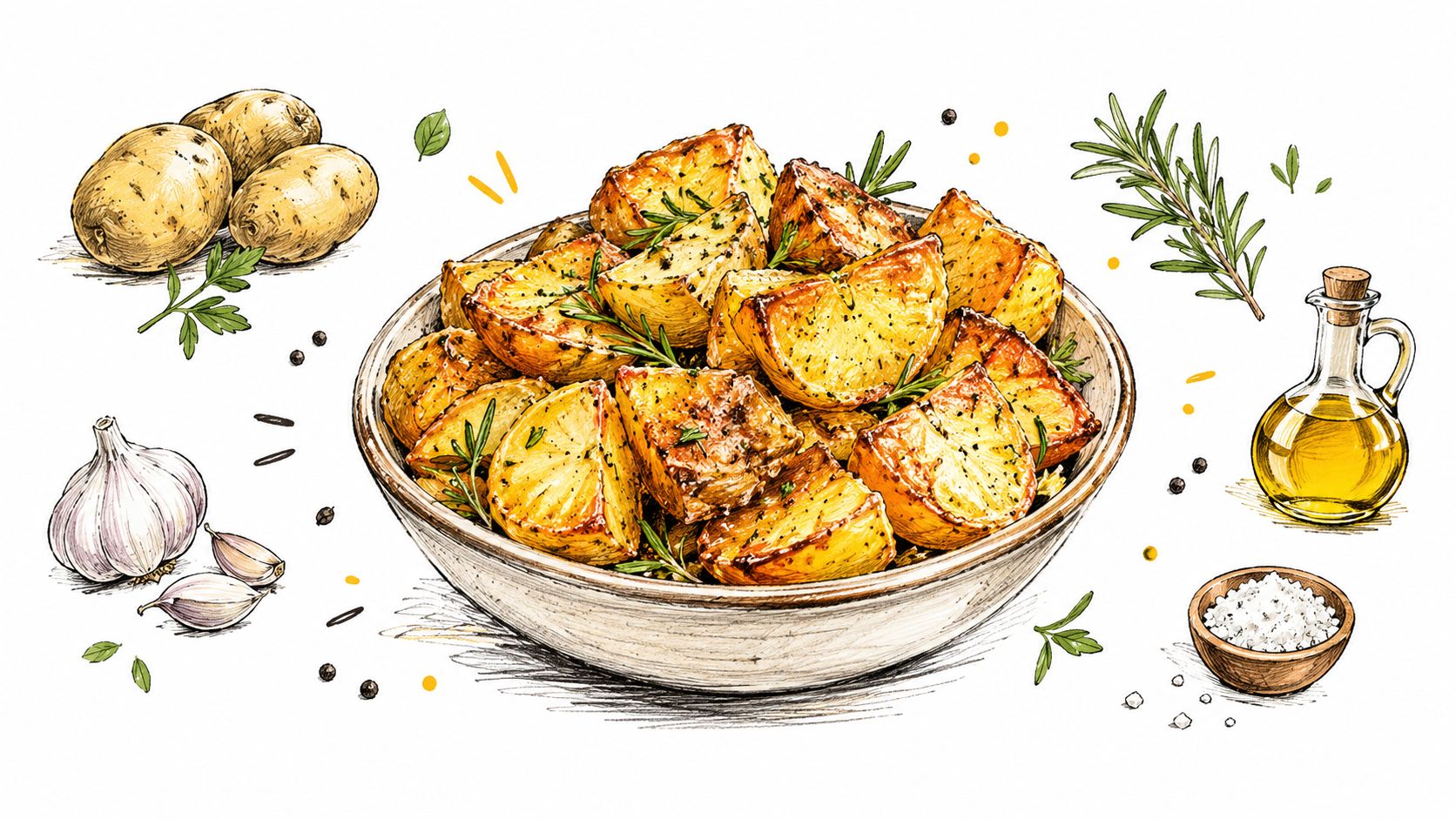
Learn how to make roast potato seasoning that actually delivers, from DIY blends to timing, technique and the right Smokey...
Read moreBeer Can Chicken: The Essential Grilling Guide
Master beer can chicken on the grill with this complete guide. Learn food safety, techniques, rubs and troubleshooting for perfect...
Read moreHow to Blend Spices for BBQ Rubs: A Smokey Rebel Guide
Learn how to blend spices for perfect BBQ rubs. Master ratios, toast techniques, and storage secrets with practical recipes and...
Read more