Seasoning for Chicken Burgers That Actually Taste Bold
“Just add more rub” is poor advice for a chicken burger that tastes bland. More seasoning won't rescue a dry centre, an unevenly mixed patty or a bun loaded with salty toppings. Good seasoning for chicken burgers is a controlled process, from choosing the mince to checking the cooked centre, not a last-minute dusting.
Why Most Chicken Burgers End Up Bland
Chicken isn't the problem. Treating the patty as a blank lump of meat, then expecting a dark crust and a generous sauce to supply all the flavour, is the problem. My recommendation is to build the burger deliberately rather than keep shaking seasoning over it until it looks convincing.
Chicken deserves that attention because it's an everyday ingredient, not a novelty barbecue project. UK table-chicken and other table-fowl production reached 1,852 thousand tonnes in 2024, compared with 1,799 thousand tonnes in 2023, according to government livestock statistics.
Stop seasoning by appearance
A heavily coloured surface tells you very little about the middle. You can have a paprika-red patty with a bland centre, especially when most of the rub lands on the outside after shaping.
For minced chicken, I'd distribute the main seasoning through the meat and reserve any surface dusting for a deliberate finishing effect. That gives you a better chance of tasting the intended flavour in every bite, rather than getting alternating mouthfuls of plain chicken and concentrated spice.
- Weigh rather than guess: Record the meat and seasoning quantities so you can repeat a successful batch.
- Choose a direction: Smoky, herby, spicy or citrus-led is a useful decision. Emptying several unrelated blends into the bowl isn't.
- Judge the whole burger: The patty needs to work with its sauce, bun and toppings, not compete with them.
Practical rule: Make the flavour repeatable before you make it louder.
The other mistake is chasing colour while the chicken loses moisture. Don't keep cooking just because you want a more dramatic crust. Build flavour into the patty, control the heat and use a proper doneness check.
That's why I wouldn't start with a complicated recipe card. Start with a kitchen scale, a clean bowl and a clear idea of the burger you want to eat. Those decisions are more useful than another unmeasured spoonful of rub.
Choosing the Chicken, the Fat and the Binder
Buy the chicken for the texture you want, not just the leanest label. For a straightforward barbecue burger, my preference is thigh mince or a thigh-and-breast mixture. If you choose breast mince, plan a gentler cook and a topping that brings some richness.
I wouldn't automatically chase a beef-style lean-to-fat ratio for chicken. Packaged mince varies, and a ratio without a reliable product specification is guesswork. Choose a consistent mince first, then change the seasoning or binder separately so you know what improved the result.
Choose the texture before adding extras
| Ingredient choice | My recommendation | What to watch |
|---|---|---|
| Thigh mince | Start here for a substantial barbecue-style patty | Don't assume every pack behaves identically |
| Breast mince | Use for a lighter burger with a creamy topping | Avoid chasing an aggressive crust |
| Egg | Consider when the mixture needs additional binding | Don't add it automatically to an already soft mixture |
| Breadcrumbs | Add gradually when the mixture needs more structure | Stop before the burger becomes bread-heavy |
| Mayonnaise | Treat as an optional richness adjustment | Account for its seasoning and allergens |
| Grated onion | Use for an onion-forward burger | Control the liquid rather than tipping everything in |
| No binder | Try when the mince already holds its shape | Test a small cooked portion before committing |
My starting point is mince plus seasoning, not mince plus every binder in the fridge. If the mixture holds together, leave it alone. If it's loose, make a small adjustment and assess again.
For a clean savoury backbone, SPG (Salt Pepper Garlic) Base Blend is an option alongside a homemade salt, pepper and garlic mixture. Use it as the main seasoning or as a measured component, not an automatic extra beneath another salt-containing rub.
Check what the binder brings
Egg, mayonnaise and breadcrumbs also change the allergen picture. UK guidance identifies 14 regulated allergens, so check the seasoning, binder and every other burger component rather than assuming the spice blend is the only ingredient requiring attention, as explained in government food-allergy guidance.
That matters at a family barbecue too. Keep ingredient packaging available when you're feeding guests with allergies.
Four Flavour Builds from One Base
Choose one flavour direction and make the toppings support it. These are pairing recommendations, not claims about an individual rub's full ingredient list. Check the label for salt, sugar, allergens and any suggested usage before deciding how much belongs in your mince.
The chicken-focused option below is a useful starting point for a smoky build.

Smoky barbecue or herby Mediterranean
For a barbecue-style burger, choose Chipotle Cowboy Chicken Rub or explore Cherry Force BBQ Rub. I'd pair this direction with crunchy slaw, pickled onion and a restrained amount of sauce. Don't bury the chicken under another thick layer of barbecue flavour before tasting it.
For a Mediterranean-inspired burger, consider Greek Odyssey Gyros Rub or Miami Mojo Citrus Blend. My topping choice would be cucumber, tomato and a yoghurt-based sauce. Keep the garnish fresh rather than adding a sweet, sticky glaze that pulls the burger in another direction.
Spicy heat or global comfort
Heat needs contrast, not more chilli. Choose Holy Jalapeño Fajita Seasoning, Spitfire Spice Blend or Wingman Wing Rub, then bring in lettuce, avocado or a cooling sauce. I'd leave additional hot sauce on the table so everyone can control their own burger.
For a taco-inspired direction, try Al Pastor Taco Seasoning with cabbage, lime and grilled pineapple. Alternatively, Hickory Hog Pork Rub offers a crossover option to test on chicken for a barbecue-inspired build. A meat name on a rub needn't dictate your entire menu.
Find your dose without wasting the batch
Don't assume different blends deserve identical spoonfuls. Start with the label's recommendation where provided, weigh the amount you use, then cook a small test portion fully before tasting. Never taste raw seasoned chicken.
- Too quiet: Increase the chosen blend gradually rather than introducing several more.
- Too salty: Reduce the blend next time and build the supporting aroma separately.
- Too fierce: Adjust the rub quantity before relying on a large amount of sauce to disguise it.
Small-batch, plant-based blends with no fillers, authentic cultural flavour inspiration and distinctive craft can packaging are useful selection points. The “no added crap” approach still needs a label check and a measured hand.
Use the chicken seasoning blend guide for more pairing ideas, but keep your own batch notes. Your preferred dose should come from the actual blend and the finished burger.
Mixing, Resting and Forming the Patty
Set the bowl, scales, seasoning and lined tray out before opening the mince. That small bit of organisation stops the familiar kitchen shuffle where raw chicken sits on the counter while someone hunts for baking paper.
Keep the meat cold throughout preparation. The minced-meat legislation's poultry controls specify handling poultry at no more than 4°C; for a home cook, the practical habit is simple: work promptly, then return the mixture to the fridge.
A calm cold-work routine
- Weigh separately: Put the mince in the bowl and measure the seasoning into a separate dish. You can correct a heavy pour before it reaches the chicken.
- Distribute gently: Scatter the seasoning across the mince rather than depositing it in a concentrated pile.
- Mix briefly: Fold until the seasoning looks evenly distributed, then stop.
- Check the texture: If you need a binder adjustment, make it deliberately rather than adding several ingredients at once.
- Refrigerate promptly: Keep the mixture or formed patties covered and chilled while you organise the cooking area.
Salt changes protein extraction, and excessive mixing can make the burger firmer or pastier. That's another reason not to keep kneading while deciding what else to add.
A burger mixture doesn't need to look perfectly smooth. Stop when it's evenly combined, not when it resembles sausage paste.
I wouldn't prescribe a universal resting window for every mince and seasoning combination. Use refrigeration as part of your preparation routine, then record what you did when a batch turns out well. Don't use a prolonged rest as a substitute for a mixture that needs attention.
Shape for repeatability
Use the scales to divide the mixture into equal portions, then form broad, even discs. A thick central mound makes the cook harder to control, so pay attention to thickness as well as weight.
Slightly damp hands can make sticky mince easier to handle. Place each burger on its own piece of baking paper if that helps you transfer it without stretching or breaking it.
Keep the tray refrigerated until the cooking surface is ready. Use separate utensils and plates for raw and cooked burgers, and clean the preparation area before assembling buns and salad.
For caterers, write down mince specification, seasoning quantity, binder choice, patty weight and thickness. If the next batch behaves differently, those notes give you something useful to investigate.
Cooking Methods That Match Your Seasoning
Choose the cooking method around the crust you want and the control you have. I'd rather serve an evenly cooked burger with a modest crust than a blackened patty with an unfinished centre.
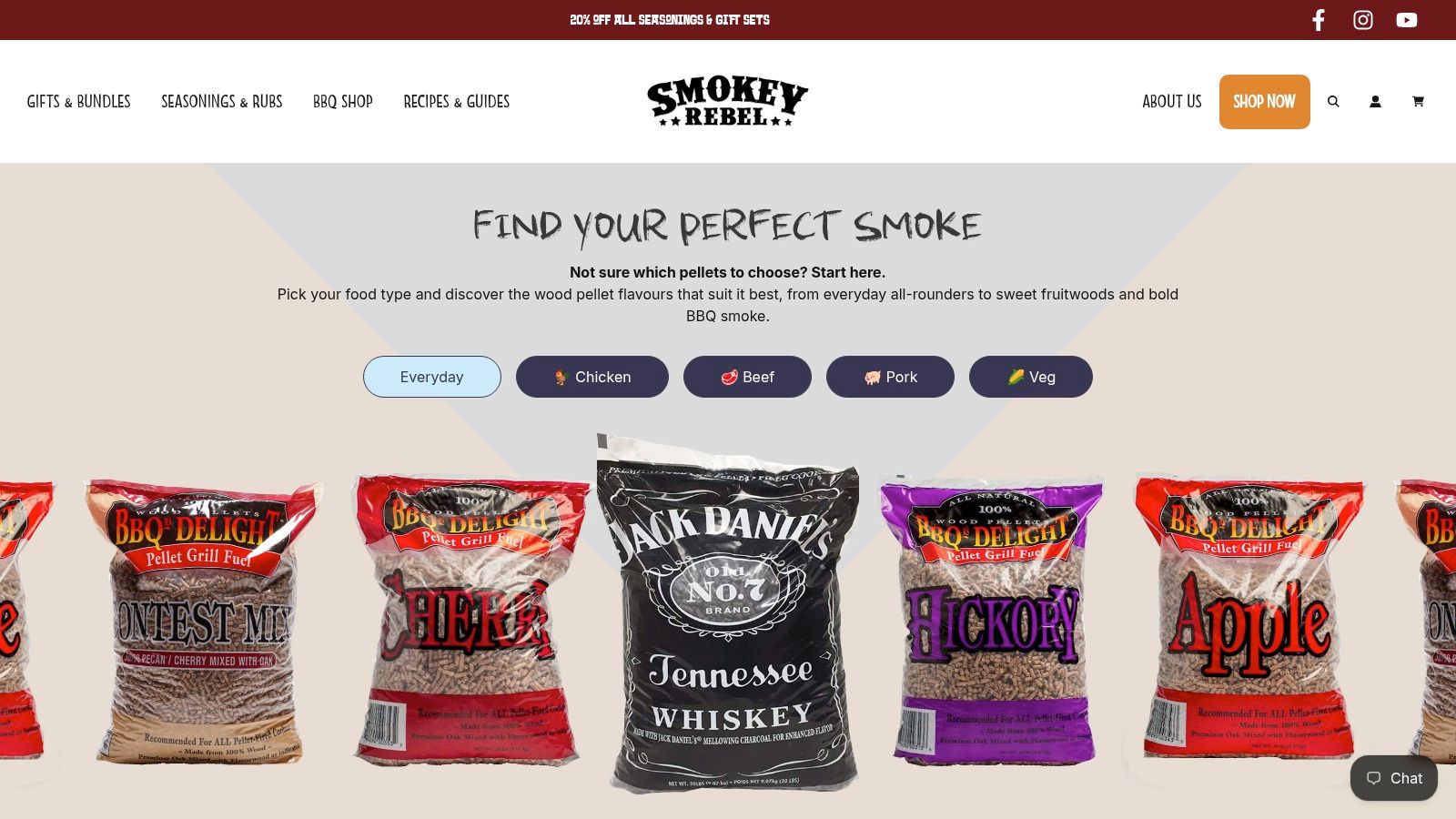
If you're using a smoker, choose appropriate cooking fuel and follow the equipment instructions. The available pellet range is shown below.

Match the equipment to the job
| Method | How I'd approach it | Main adjustment |
|---|---|---|
| Cast-iron pan | Preheat, lightly oil and allow a crust to establish before turning | Lower the heat if the seasoning darkens too quickly |
| Kettle barbecue | Prepare hotter and cooler cooking areas | Move the burger away from fierce heat when necessary |
| Gas grill | Keep a lower-heat area available | Don't assume every position cooks identically |
| Air fryer | Leave space around the patties and follow the appliance instructions | Check the centre rather than trusting the preset |
| Smoker | Use a controlled cook and verify the centre before serving | Treat smoke as flavour, not proof of doneness |
Fine spice coatings and blends containing sugar can darken before the centre is ready. Don't repeatedly press the burger with a spatula to speed things up, either. You're trying to cook the middle without sacrificing moisture.
A universal cooking time would be misleading because patty thickness, starting temperature and equipment all matter. Note the timing of your own successful batch, but treat it as a planning aid rather than a safety guarantee.
Use this video as an additional visual reference.
Check the centre honestly
UK government guidance gives 70°C for 2 minutes, or an equivalent combination such as 75°C for 30 seconds, as safe cooking benchmarks in its cooking-your-food guidance. I recommend the latter as a practical home-barbecue target, verified in the thickest centre with a clean probe.
The FSA's caterer guidance on checking burgers also says burgers should have no pink or red meat and recommends checking the centre with a disinfected temperature probe. Colour isn't a replacement for temperature verification.
The meat thermometer guide can help you get the probe position right. Check more than the easiest burger to reach when cooking a batch.
Salt Budgeting So the Burger Stays Balanced
A bold burger doesn't need every component salted aggressively. The bun, cheese, bacon, sauce, pickles and patty all contribute to the same mouthful. Seasoning the chicken in isolation is how a balanced test patty becomes an overbearing finished burger.
This isn't just a theoretical concern. An FSA survey of children's meals found sampled burger-and-chips meals averaged 2.8g of salt. That figure describes a complete meal, not your homemade patty, but it supports judging what you serve as a whole.
Build a label-based salt budget
Imagine a burger with a seasoned chicken patty, aioli, cheddar, smoked bacon and a brioche bun. I wouldn't assign a generic salt total to that combination because the actual products and portions determine the answer.
Instead, put the packaging beside the scales and use the declared salt values. Multiply each ingredient's salt per labelled weight by the amount you're using, then add the contributions together.
| Component | What to record | Useful decision |
|---|---|---|
| Chicken and rub | Meat quantity, rub quantity and declared salt | Don't confuse rub weight with salt weight |
| Aioli | The portion you actually spread | Taste before adding more seasoning |
| Cheddar and bacon | Actual amounts used | Decide whether both earn their place |
| Bun and pickles | Label information and serving amount | Include them rather than treating them as neutral |
A rub percentage is not a salt percentage. Unless you know the blend's salt content, you can't turn its weight into a reliable salt calculation.
Add contrast before adding salt
My first adjustment to a heavy-tasting burger is usually fresh acidity or crunch, not another seasoning shake. Try unsalted cabbage with lime, fresh tomato, cucumber or a more restrained sauce portion.
- Choose aromatic intensity: Use garlic, pepper, herbs or chilli deliberately rather than relying only on salt.
- Treat coatings separately: Check whether breading already contains seasoning before adding more.
- Taste cooked components together: Assemble a small bite with the intended toppings before reaching for finishing salt.
Balance check: If the sauce and toppings already taste assertive, let the chicken support them rather than compete.
The low-sodium seasoning guide offers another route for adjusting flavour. For plant-based patties, check the existing seasoning too rather than assuming they need the same treatment as raw chicken mince.
Fixing Common Chicken Burger Fails
Diagnose the failure before changing the recipe. If you alter the mince, binder, rub and cooking method together, you won't know which change helped.
Find the fault you can control
- Dry centre: Did you keep cooking for more colour after the burger met the verified endpoint? Check your cooking record before adding more wet ingredients.
- Bitter or blackened crust: Examine heat exposure and the blend's sugar content. Reduce direct heat or test a simpler savoury seasoning.
- Bland despite plenty of rub: Check distribution and topping balance. A heavily dressed burger can obscure a well-seasoned patty.
- Patties falling apart: Look at mixture consistency and transfer technique. Test a smaller binder adjustment and handle the raw patty less.
- Burnt outside but unfinished inside: Move to gentler heat and check whether the patty has a thick central mound.
Frequently asked questions
Should I season chicken burgers before or after shaping?
For mince, I recommend mixing the main seasoning through before shaping. Use a surface finish only when you have a specific flavour or crust in mind.
Can I use a pork rub on chicken?
Yes, as a flavour choice. Judge the ingredient list and the cooked result rather than treating the meat named on the can as a restriction.
Do chicken burgers always need egg?
No. Start with the mince's existing texture and add a binder only when there's a clear reason.
Can I use the same rub on plant-based burgers?
You can test it, but follow the patty's cooking instructions and account for its existing seasoning. Don't automatically copy your raw-chicken method.
Smokey Rebel offers chicken-focused rubs, savoury base blends and globally inspired seasonings for building a burger around a clear flavour direction. Visit Smokey Rebel, choose a blend that suits your toppings, and make your next batch a measured cook rather than another hopeful shake of the can.
Join our Mailing List
Sign up and get Smokey Rebel Recipes + weekly recipes straight to your inbox!
Recent articles
Seasoning for Chicken Burgers That Actually Taste Bold
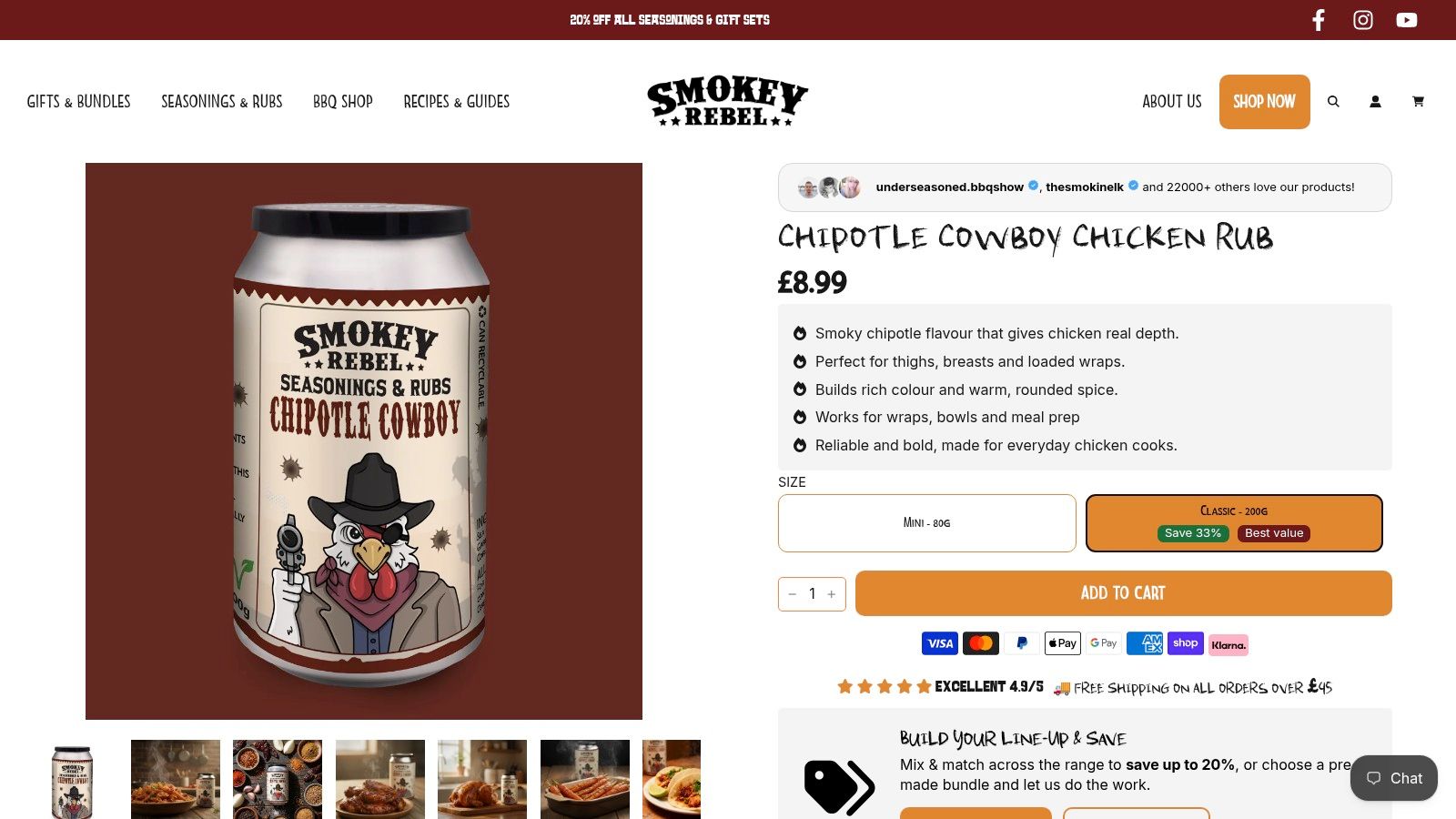
Master seasoning for chicken burgers with practical ratios, flavour builds, and cook tips for juicy, well-seasoned patties every time on...
Read moreEco Friendly Choices for Home Cooks and BBQ Fans
Practical eco friendly choices for home cooks and BBQ fans — covers sourcing, plant-based swaps, fuels, waste reduction, packaging, gifting...
Read moreKorean BBQ Seasoning: Flavour, Uses and DIY Blends
Korean BBQ seasoning explained — what it is, the core flavour profile, how to use it on grills, ovens and...
Read more