Best Chicken Rubs for Flavour-Packed UK Cooks
You've spent good money on chicken, lit the barbecue, and opened the lid expecting bronzed skin and proper savoury flavour. Instead, the meat looks pale, the seasoning tastes like a last-minute shake of salt, and everyone reaches for sauce. The problem usually isn't the chicken. It's the rub.
The best chicken rubs give you a repeatable starting point for wings, thighs, breasts and whole birds. They build colour, aroma and a seasoned crust without masking the meat. For UK cooks, the right choice also needs to work beyond a sunny barbecue, from a rushed oven tray to an air fryer or a slow smoker.
Why Your Chicken Needs a Proper Rub
Chicken has a mild flavour, especially breast meat. That makes it useful, but it also means weak seasoning gets exposed immediately. A few random pinches of paprika, garlic granules and salt might rescue dinner, but the result changes every time because the balance depends on your mood and the size of the pieces.
A proper rub solves that problem at the surface. It gives the chicken a consistent layer of salt, spice, colour and aroma, then turns into a savoury crust as the meat cooks. Thighs and drumsticks can handle a forceful blend, while breasts need seasoning that adds character without overwhelming their lean texture.
Practical rule: If you can't taste the seasoning on the cooked chicken's first bite, you didn't use enough. If the rub tastes harsh before cooking, you used the wrong blend or applied too much.
Why blends beat the cupboard lottery
A dedicated chicken rub should work across several cooking methods. The same jar needs to deliver on a grill, in an oven tray and in an air fryer, even though each method exposes the seasoning to heat differently.
UK shoppers also have a broad price range to work through. A retail comparison listed BRAMWELLS Chilli Con Carne Seasoning Mix at Aldi at £0.14 per kg, while common supermarket chicken seasonings on Trolley sat at roughly £2.14 to £4.39 per 100g. That spread makes the label and actual performance matter, not just the size of the packet. The seasoning price comparison shows why a cheap-looking blend isn't automatically better value.
Small-batch seasoning has a practical advantage when the ingredient list is clear. Recognisable spices let you understand what you're buying, while vague “spice mix” wording gives you less control over salt, sweetness and heat. Smokey Rebel focuses on small-batch, plant-based blends with recyclable packaging and no fillers, which suits cooks who want bold flavour without unnecessary additions.
Chicken rubs belong in the regular shop
Chicken rubs aren't a niche barbecue extra in the UK. One market outlook estimates the UK seasoning and spices category at US$173.4 million in 2024, with a projection of US$243.1 million by 2030 and a projected 5.8% CAGR from 2025 to 2030. The same outlook identifies spices as the largest product segment in 2024 and salt and salt substitutes as the fastest-growing segment. The UK seasoning and spices outlook points to an established appetite for dry, flavour-led seasoning formats.
That matters because the best rub becomes a kitchen tool rather than a one-off barbecue purchase. Keep one balanced blend for weeknights, one smoky option for outdoor cooking and one sharper or hotter blend for wings. You'll cook more confidently because you're choosing a direction, not improvising from six half-used jars.
What Makes a Great Chicken Rub
A great chicken rub has a clear job. It should season the meat, cling to the surface, brown attractively and leave enough room for the flavour of the chicken to come through.
Salt provides the foundation. It seasons the meat and helps draw a little moisture towards the surface, where the spices can form a tacky coating. Sugar encourages browning and gives barbecue chicken a rounded finish, but too much can scorch over high heat. Paprika and chilli bring colour and warmth, while garlic and onion supply the savoury backbone.
Herbs add lift. Thyme, oregano, rosemary and parsley can pull a rich chicken thigh towards a roast dinner, while black pepper or mustard powder gives the blend a sharper edge. The balance matters more than any individual ingredient.

Dry rub, marinade or sauce
A dry rub stays on the surface. As the chicken rests, the salt draws out moisture and the seasoning begins to cling. During cooking, that coating dries, browns and concentrates.
A marinade works differently. Its liquid carries flavour into the outer layers and can add tenderness, but excess moisture can delay browning. A sauce belongs at the end, where it adds gloss, sweetness or acidity without needing to survive the entire cook.
For a practical guide to application, use this dry rub guide for meat as a useful reference. The key distinction is simple: use a rub to build the crust, a marinade to add moisture and a sauce to finish.
Read the label before you buy
Ingredient transparency is one of the quickest quality checks. Look for named ingredients such as smoked paprika, garlic, onion, black pepper, thyme or chipotle. A short, recognisable list gives you a better idea of how the blend will taste and how it will behave over heat.
Watch the salt closely. A very salty rub can behave like a dry brine, which may be useful, but you'll need a lighter hand. Sugar deserves equal attention, particularly if you cook wings or thin breast pieces in an air fryer.
Food science also gives chicken cooks a useful warning. In one study of chicken breast and chicken-spice blends, plain chicken recorded higher umami intensity at 6.6, compared with 5.43 for one blended sample and 5.53 for another. The results suggest that a heavy or poorly balanced rub can suppress the meat's savoury character rather than improve it. The chicken umami study supports my rule: seasoning should complement chicken, not bury it.
Chicken Rub Flavour Profiles Compared
The right flavour profile depends on the cut, the cooker and the people eating it. A sweet smoky rub that works brilliantly on sticky drumsticks can taste clumsy on a delicate roast breast. Start with the occasion, then choose the seasoning family.
| Flavour Profile | Key Ingredients | Heat Level | Best Chicken Cut | Ideal Cooking Method |
|---|---|---|---|---|
| Smoky BBQ | Smoked paprika, brown sugar, cumin | Low to medium | Thighs and drumsticks | Grill or low-and-slow cook |
| Citrus-led | Lemon, thyme, cracked pepper | Low | Breasts and whole birds | Oven or air fryer |
| Chilli heat | Cayenne, chipotle, ancho | Medium to high | Wings and drumsticks | Grill or air fryer |
| Herb-led | Oregano, thyme, rosemary | Low | Breasts and whole birds | Traybake or roast |
| Globally inspired | Jerk, ras el hanout, gochujang-style spices | Varies | Thighs, wings and skewers | Grill, oven or smoker |
Smoky BBQ and citrus
Smoky BBQ is the safest crowd-pleaser for a garden cookout. It brings colour, sweetness and a gentle savoury depth that pairs with slaw, corn and toasted buns. Use it on thighs and drumsticks, where the skin and fat can handle a stronger crust.
Citrus-led blends are better for weeknight cooking. Lemon, thyme and cracked pepper cut through roast chicken without making the dish feel heavy. They're particularly good on breast pieces, skewers and a whole bird served with roast potatoes.
Heat-led and herb-led blends
Chilli rubs need care, but wings reward the risk. Chipotle gives smoke as well as heat, while cayenne builds a sharper burn. Apply a moderate layer first, cook a test piece if you're feeding children or heat-sensitive guests, then add a hotter finishing sprinkle after cooking if needed.
Herb-led blends are the dependable family option. They suit traybakes with onions, peppers and potatoes, and they don't fight with gravy or a sharp salad. For cooks who want something that feels familiar but still has personality, this is the profile I'd choose for a whole roast chicken.
Global flavours earn a place on the shelf
UK seasoning habits have moved beyond standard smoky barbecue. Recent UK coverage highlights interest in peri peri, Cajun, jerk, suya, ras el hanout, baharat and sweet-spicy “swicy” profiles. Chicken is especially suited to this variety because its mild flavour accepts bold spice combinations. The UK BBQ trends overview is useful if you want to explore the wider shift.
For another heat-forward option, Loyaltie habanero honey blend shows how chilli and sweetness can be paired for chicken. It's the sort of profile I'd reserve for wings, thighs or a final glaze rather than a delicate breast.
Scoring the Best Chicken Rubs by Criteria
A five-point scorecard keeps shopping practical. You don't need laboratory testing or a shelf full of jars. You need to know whether the blend suits the way you cook.
The five tests that matter
Ingredient transparency comes first. A score of five means the label names the spices clearly and avoids hiding behind vague wording. A score of one means the blend gives you little useful information.
Salt behaviour matters because salt controls how aggressively you can season. A high-scoring rub gives enough seasoning to work on its own without forcing you to reduce every other salty ingredient. A low-scoring blend either tastes flat or leaves the chicken oversalted before the crust develops.
Sugar performance depends on your cooker. Moderate sweetness can produce excellent colour on an oven tray, while a very sugary blend can darken too quickly on a hot grill or air fryer. Score it according to whether the blend matches your usual heat.
| Criterion | What Scores High, 5 | What Scores Low, 1 |
|---|---|---|
| Ingredient transparency | Named spices and a clear label | Vague “spice mix” wording |
| Salt level | Seasons without overpowering | Tastes harsh or leaves little room for other seasoning |
| Sugar content | Browns well at your cooking temperature | Scorches before the chicken cooks |
| Versatility | Works on grill, oven and air fryer | Only performs in one method |
| Cut suitability | Handles wings, thighs and whole birds appropriately | Makes one cut taste unbalanced |
Score the blend against your routine
Versatility deserves a proper test. A rub that only works on a low smoker isn't a strong everyday choice if you usually cook chicken in an oven or air fryer. Try the same seasoning on a thigh, a breast piece and a wing, then note whether the flavour stays balanced.
Cut suitability is the final filter. Wings can carry aggressive heat and sweetness because their skin provides plenty of surface area. Breasts need a more restrained blend and a little help from oil or yoghurt. Whole birds reward herbs, citrus and savoury pepper because the seasoning needs to work with both white and dark meat.
The highest score on paper doesn't matter if the rub doesn't fit your Tuesday night cooking.
Small-batch products often earn points for recognisable ingredients and focused flavour. Supermarket blends can still work, but check whether salt, sugar and anti-caking agents dominate the label. I'd rather buy one blend that behaves predictably across several meals than collect jars that only suit a single recipe.
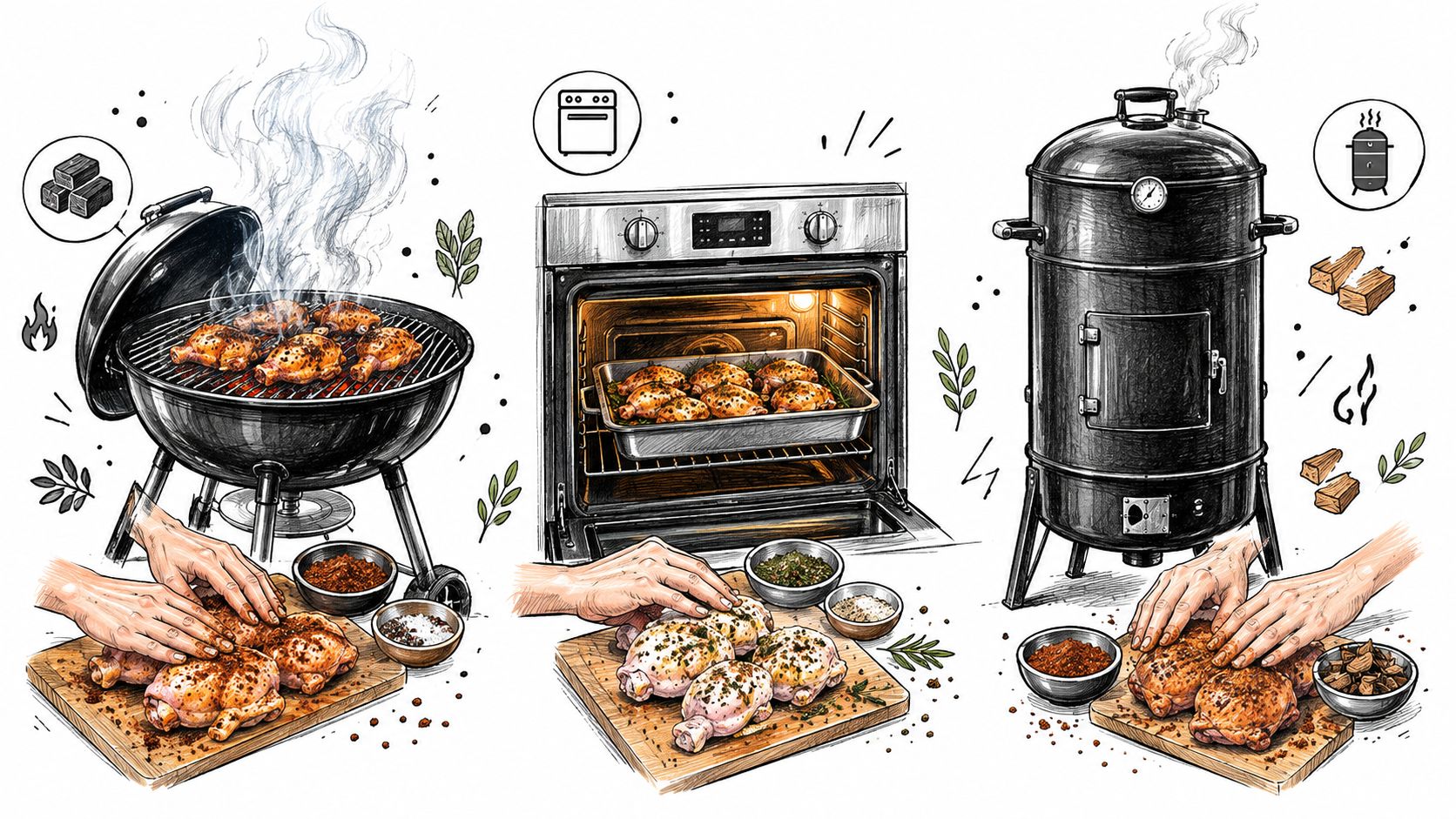
How to Use Chicken Rubs for Grill, Oven and Smoker
Rub application takes minutes, but the timing changes the result. Start with roughly one tablespoon of rub per kilogram of chicken, then adjust for the saltiness of the blend and the size of the pieces.
Pat the chicken dry first. Moisture on the surface dilutes the seasoning and delays browning. Add a thin film of oil if the meat is very lean, press the rub in rather than brushing it off, and leave the chicken long enough for the coating to become slightly tacky.

Grill and oven method
For a grill, choose a low-sugar or moderately sweet rub if the heat is fierce. Sugar can catch before the chicken is cooked through, particularly on thin wings and breast strips. Apply the rub before the grill heats, then keep a cooler zone available so you can move the chicken away from direct heat when the crust colours quickly.
For an oven traybake, a sweeter blend has more room to work. Toss the chicken with a little oil, coat it evenly and arrange the pieces with space around them. Crowding traps steam and gives you soft skin instead of a browned crust.
The BBQ chicken cooking guide offers a useful reference for building flavour across barbecue methods. Keep your thermometer close, because colour tells you how the surface is cooking, not whether the centre is ready.
Smoker and air fryer method
A smoker gives the rub time to develop, so salt-forward blends with pepper, garlic and paprika perform particularly well. Apply the seasoning ahead of the cook, especially on thighs or a spatchcocked bird, then add a light finishing dusting only if the first layer needs more aroma.
For an air fryer, use less sugar and avoid piling seasoning onto exposed edges. Cook a small batch first, check how quickly the surface colours, then lower the heat or shorten the final stage if the rub starts to scorch. Wings usually need a dry surface and space between pieces, while breast strips benefit from a little oil to prevent a dry finish.
Layering can work when you keep each layer light. Use a neutral savoury base, then add a bolder chilli or citrus blend near the end. Don't stack two salty rubs blindly. Taste a pinch of the combined seasoning before it touches the chicken.
Matching the Right Rub to the Occasion
The right rub depends on the cook in front of you. A weeknight traybake needs speed and broad appeal, while a weekend smoker session rewards a seasoning that develops slowly. Choose blends you will use repeatedly, not jars that suit one recipe and then sit untouched.
Weeknight traybake
After work, skip a separate marinade. Pat thighs or breasts dry, coat them evenly, add peppers and onions, then let the tray stand while the oven heats. Citrus, herbs or a light smoky note brings character without turning dinner into a project.
I reach for Miami Mojo Citrus Blend for a bright finish, or Greek Odyssey Gyros Rub when flatbreads, yoghurt and salad are on the menu. For a smokier direction, Chipotle Cowboy Chicken Rub suits roasting, grilling and air frying.
Garden BBQ
A garden barbecue calls for a rub that handles direct heat, char and a steady stream of servings. Smoky barbecue profiles work particularly well on thighs, drumsticks and wings. Pair them with slaw, corn or sharp pickles to keep sweetness in check.
Choose Cherry Force BBQ Rub for a fruit-led barbecue flavour, or Wingman Wing Rub when wings are the main event. Holy Jalapeño Fajita Seasoning gives skewers and thighs a more pronounced chilli and fajita-style profile.
Smoker session
A smoker gives you time to build a proper savoury crust. Salt, pepper, garlic and paprika can develop alongside the smoke without needing a thick sugary coating. Apply the rub evenly and avoid washing the surface away with repeated spritzing.
SPG Salt Pepper Garlic Base Blend provides a clean starting point, while Spitfire Spice Blend adds more heat and character. Small-batch, clearly labelled blends are useful here because you can repeat a successful cook without guessing what went into the jar.
Sunday roast
A Sunday bird needs to work with gravy, roast potatoes and vegetables. Herb, citrus and savoury garlic notes fit the plate better than a heavily sweet barbecue coating. Al Pastor Taco Seasoning earns its place if leftovers are heading into tacos, while Texas Red Chili Mix suits a warmer, chilli-led roast.
Chicken appears regularly in UK kitchens, so one adaptable rub has practical value. Keep a blend that covers traybakes, garden barbecues and smoker sessions, then add more specialised options only when they fill a clear gap. That approach keeps the cupboard useful and makes good flavour repeatable.
Choosing Your First Chicken Rub With Confidence
Start with the cook you make most often, not the flavour that sounds most exciting on the label. If you cook traybakes during the week, choose a versatile citrus, herb or smoky blend. If Saturdays mean charcoal and wings, go for a rub that can handle direct heat and a stronger chilli profile.
Then use this simple filter:
- Choose one flexible blend. Pick something that works on at least two cuts and more than one cooker.
- Read the ingredient list. Look for named spices, sensible salt and a sugar level suited to your heat.
- Match the cut. Wings tolerate punchy heat, thighs welcome smoke and sweetness, breasts need restraint, and whole birds suit herbs and citrus.
- Record the result. Note the amount used, cooking method and whether the crust browned before the chicken finished.
- Expand with purpose. Add a smoky BBQ blend, a bright weeknight option and a hotter finishing seasoning rather than buying overlapping jars.
Plant-based cooks can use the same approach on cauliflower, tofu, mushrooms and vegetable skewers. UK plant-based retail sales were valued at about £847.8 million in 2025, although the category fell 1.2% in value and 2.5% in volume across six segments, excluding major discounters. GFI Europe's UK plant-based market report shows a substantial market, but also a reason to demand flavour and versatility from every seasoning purchase.
For a wider look at choosing blends for UK cooking, use this guide to BBQ rubs in the UK. Start with one balanced seasoning, cook it on a breast, thigh and wing, then build your collection around the results rather than guesswork.
Smokey Rebel offers small-batch, plant-based BBQ rubs and seasoning blends inspired by global flavours, with no fillers and recyclable packaging. Visit Smokey Rebel to choose a chicken-friendly blend, build your own bundle or pick a ready-made gift set for the next barbecue.
Join our Mailing List
Sign up and get Smokey Rebel Recipes + weekly recipes straight to your inbox!
Recent articles
Best Chicken Rubs for Flavour-Packed UK Cooks
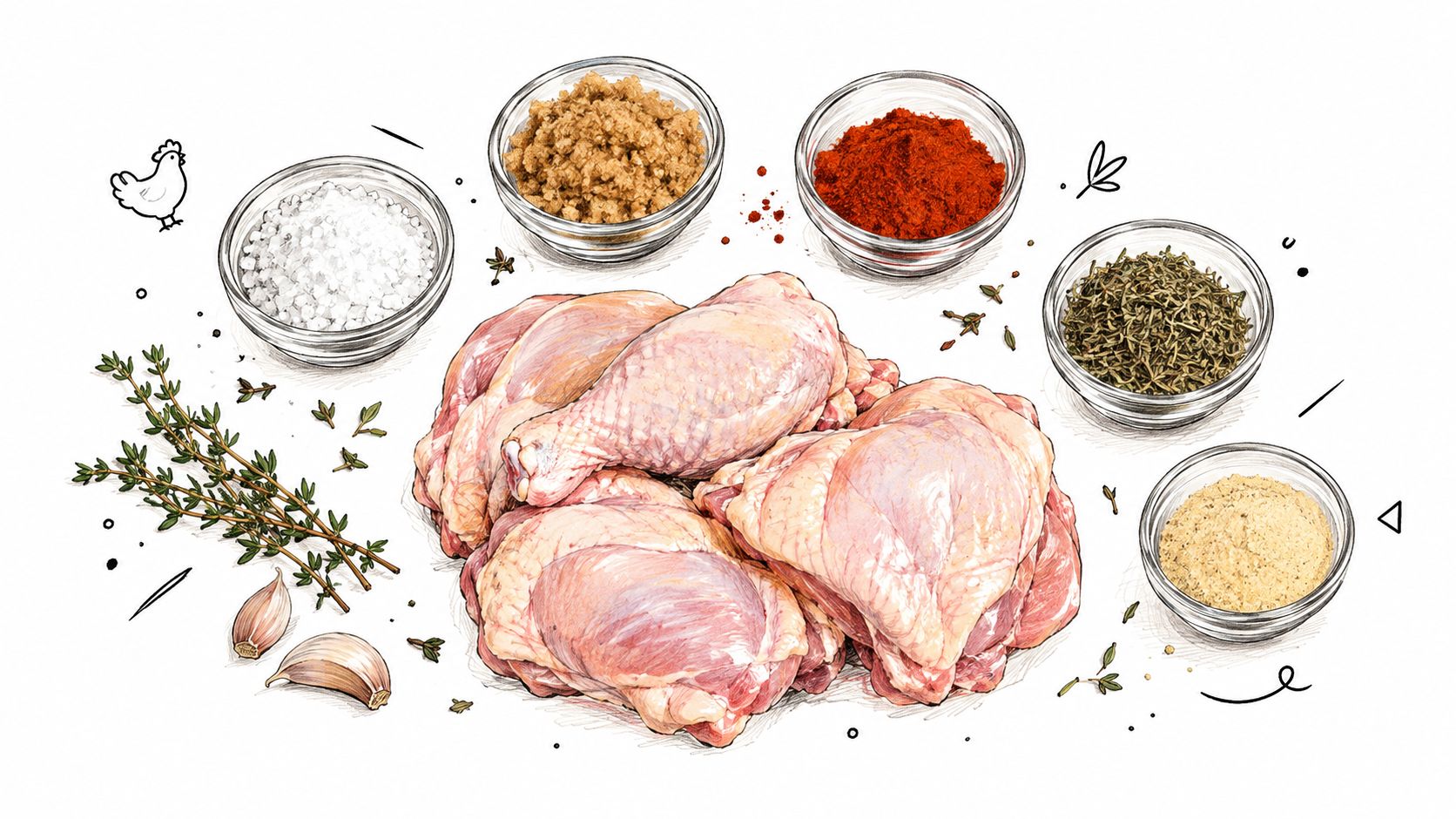
Discover the best chicken rubs for grilling, roasting and smoking. Compare flavour profiles, ingredients and uses to find the perfect...
Read moreBBQ Lover Gifts: A Practical Buying Guide for 2026
Find the perfect BBQ lover gifts with our practical 2026 buying guide. Discover how to match gifts to skill level,...
Read moreSmoked Sea Salts: A Complete Flavour and Cooking Guide
Discover how smoked sea salts transform cooking, from wood types to BBQ pairings. Master artisanal seasoning for meats, vegetables and...
Read more