UK Online Butchers: The Ultimate 2026 Buyer's Guide
You're probably here because you've had the same moment most serious home cooks eventually have. You're standing in front of a supermarket chiller, staring at neat plastic trays of meat that all look oddly similar, and wondering whether “premium” on the label means anything once it hits the pan.
That's where uk online butchers start to make sense. You get more detail, more choice, and usually a better shot at buying meat that has a story behind it, instead of something selected only for shelf uniformity. If you care about flavour, breed, fat cover, dry age, welfare, or whether your burgers are genuinely meaty, online butchering opens the door.
The part many people still find intimidating is everything between the click and the cook. How do you judge quality on a website? Which cuts are worth your money? What should arrive chilled, what can arrive frozen, and how do you season premium meat without burying the flavour you paid for?
That's the gap this guide fills.
Why More People Are Choosing UK Online Butchers
Supermarket meat isn't always bad. It's just often limited. You get a narrow range of cuts, trimmed for consistency, packed for speed, and labelled in a way that tells you little beyond species, weight, and use-by date.
Online butchers solve a different problem. They give buyers access to cuts that are harder to find locally, more information about origin and handling, and a buying experience built around what you want to cook. If you're planning a reverse-seared ribeye, a low-and-slow pork shoulder, or a tray of proper chicken thighs for the smoker, that matters.
The shift isn't small. The UK butchery and meat processing market was valued at USD 1,114.68 million in 2024 and is forecast to reach USD 2,105.86 million by 2032, growing at a CAGR of 8.28%, with growth driven by online platforms and demand for convenient, premium, ethically sourced meat, according to UK butchery and meat processing market data from Credence Research.
What buyers are really paying for
The best uk online butchers usually win on four things:
- Better selection. You can buy bavette, picanha, Denver steak, beef shin on the bone, pork collar, whole chickens, thick-cut chops, and BBQ-friendly cuts that supermarkets often skip.
- Better transparency. Good sites tell you where the animal came from, how it was reared, and why one cut behaves differently from another.
- Better convenience. You can plan a weekend cook on Tuesday night and have everything sorted without driving across town.
- Better fit for serious cooking. If you own a smoker, kettle barbecue, pizza oven, rotisserie, or sous vide setup, specialist butchers tend to stock for your style of cooking.
The back end matters too. Reliable delivery isn't glamorous, but it decides whether premium meat arrives in premium condition. If you're curious about the mechanics behind cold-chain fulfilment and the final mile, this guide to optimizing UK e-commerce logistics gives useful context.
If you want a second opinion on where to start browsing, Smokey Rebel also has a practical round-up of UK butchers online.
Buying meat online stops feeling risky once you realise the good operators usually tell you far more than a shelf label ever will.
Evaluating Quality What to Look For in an Online Butcher
A polished website doesn't guarantee a good butcher. Nice photography can hide average meat just as easily as average branding can hide excellent sourcing. Quality shows up in the details.
According to the Big British Butchers Survey 2023 from National Craft Butchers, 42% of independent butchers now have e-commerce platforms. The same survey ties that shift to the 30% of consumers who prioritise local produce and the 61% willing to pay extra for better quality meat. That tells you two things. Buyers want better meat, and butchers now have the digital space to prove they're offering it.

Provenance matters more than marketing words
If a site says “carefully selected” and leaves it there, that's weak. A strong listing gives you enough detail to understand what you're buying.
Look for:
- Farm or regional origin. Even a broad location helps.
- Breed or breed type. That can explain flavour, texture, and fat level.
- Feeding or rearing notes. Grass-fed, grain-finished, free-range, pasture-raised, and regenerative claims should be explained, not dropped in as decoration.
- Ageing information for beef. If it's dry-aged or wet-aged, the butcher should say so.
Think of provenance like reading the label on a good bottle of wine. The more precise the information, the easier it is to judge whether the product is worth the price.
Welfare and traceability are practical quality signals
Welfare isn't only an ethical issue. It often overlaps with consistency, handling standards, and trust. Traceability is similar. If the butcher can tell you where the animal came from and how the meat moved through the chain, that's usually a sign they know their product properly.
A quick website check helps:
| What to check | Why it matters |
|---|---|
| Clear farm or supplier information | Suggests the butcher buys with intent rather than chasing commodity stock |
| Specific breed notes | Helps you predict flavour and fat profile |
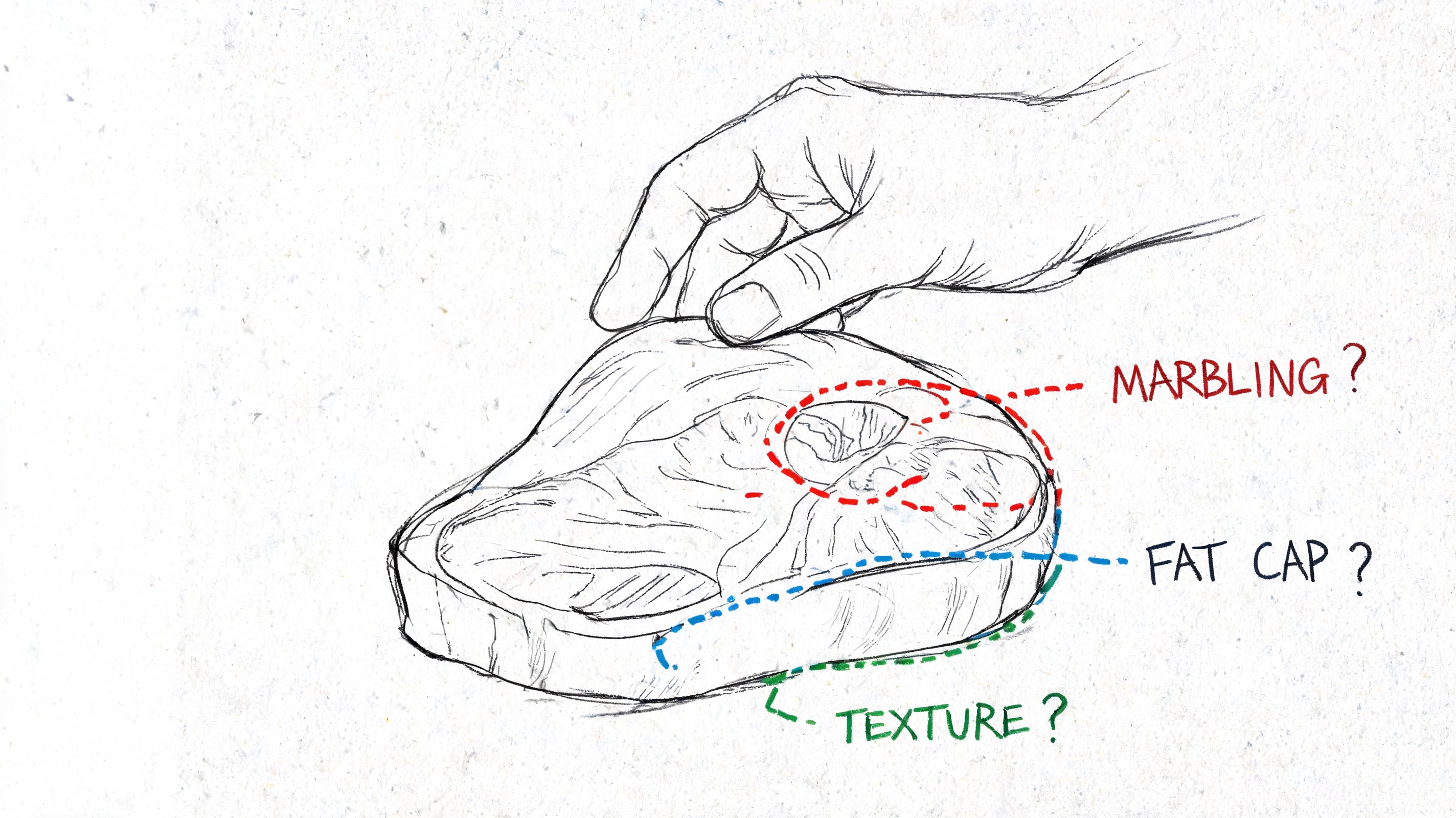
| Honest photos of the raw meat | Lets you inspect marbling, fat cap, colour, and trim |
| Cooking guidance | Shows the butcher understands the cut, not just the sale |
Read the meat, not just the copy
For steaks, look at the image like a cook, not a shopper. Marbling should be visible but not waxy. Fat should look creamy rather than grey. The cut should have shape and structure, not look machine-flattened.
For roasting joints and low-and-slow cuts, look for a good fat cap and sensible trimming. Over-trimmed meat may look tidy online, but it can cook dry. A pork shoulder with some proper external fat is usually a better buy than one trimmed to the point of caution.
Kitchen check: If the listing tells you exactly how the cut likes to be cooked, that's often a better sign than a page full of vague luxury language.
A shortlist test I actually trust
Before buying from a new butcher, use this simple filter:
- Read three product pages, not one.
- Check whether information stays consistent across steaks, sausages, and roasting cuts.
- Look at delivery and packing pages for plain-English detail.
- See whether customer service is reachable without digging.
- Ask yourself whether the butcher sounds like someone who handles meat daily, or a brand team writing around it.
That last one matters. Real butchers tend to write plainly. They talk about fat, hanging, texture, and cooking. Clever marketing tends to stay safely abstract.
Decoding the Digital Butcher's Shop Ordering Made Simple
The hardest part of a first order usually isn't trust. It's choice. Once you leave supermarket naming behind, the online butcher's counter gets wider and more interesting very quickly.
A lot of cuts sound more complicated than they are. Bavette is a loose-textured beef cut that loves high heat and a hard sear. Picanha is rump cap, prized for its fat cover and great on skewers or cooked whole. Pork collar sits in that sweet spot between roasting joint and pulled pork candidate, with enough fat to stay juicy but enough structure to slice.
How to choose cuts without overthinking it
Start with the cooking method, not the cut name.
If you're cooking fast over high heat, buy steaks, chops, burgers, kebab cuts, or skin-on chicken pieces. If you're cooking low and slow, think brisket, beef chuck, pork shoulder, short ribs, or lamb shoulder. If you want one joint to cover both roast and leftovers, pork loin, rolled chicken, and topside all make sense.
Here's a simple way to shop:
- One-off order for a specific meal. Best if you're trying a butcher for the first time.
- Mixed box for a fortnight of cooking. Good for families who want quality across several dinners.
- Bulk buy for the freezer. Worth it if you've got storage space and you know your go-to cuts.
- Subscription. Useful only if you like the butcher's style and don't mind less control.
Portioning without wasting money
Online listings often sell by weight, not by “serves 2” language. That's better, but only if you buy with a plan.
A practical approach is to ask three questions before adding to basket:
- Is this the main event or part of a spread?
- Will there be leftovers worth planning for?
- Does this cut lose much weight during cooking?
A big bone-in joint can look generous online and shrink into something more modest once trimmed, rested, and carved. A boneless pork shoulder can go the other way and feed you twice, because pulled pork stretches brilliantly into tacos, rolls, loaded fries, and rice bowls.
The burger and sausage detail most people miss
Prepared products need more scrutiny than whole cuts. A steak is easy to judge. A burger or sausage asks you to trust the butcher's blend, trim, seasoning, and honesty.
Under UK law, a product labelled a “beef burger” must contain at least 62% beef, as set out in Food Standards Scotland guidance on butchers and meat product labelling. That legal minimum gives you a useful baseline when reading online listings.
If a burger page tells you almost nothing beyond flavour notes, slow down. Good butchers usually tell you what's in it, not just how nice it tastes.
A quick ordering checklist
- Read the cut description carefully. Check whether it's bone-in, skin-on, rolled, tied, or trimmed.
- Look at pack size. Two thick chops cook differently from four thin ones.
- Check dispatch days. A premium order arriving on the wrong day isn't premium anymore.
- Buy for your equipment. A huge brisket isn't useful if it doesn't fit your smoker or fridge.
- Keep your first order focused. One steak, one slow-cook cut, one prepared item. That tells you most of what you need to know about a butcher.
The Delivery Day Unboxing Packaging and Storage
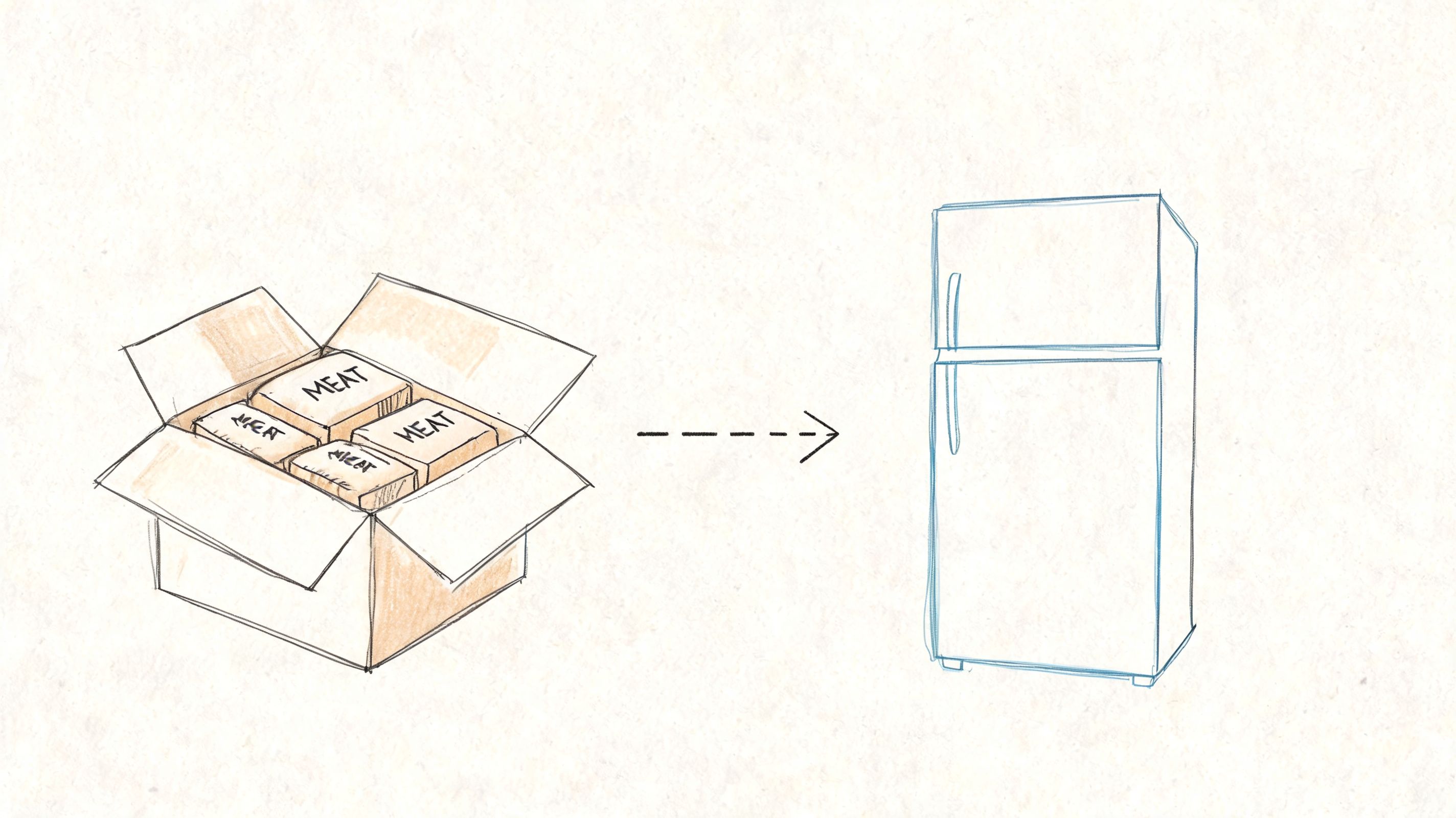
The doorbell goes, the box lands on the step, and now the online part is over. At this point, you find out whether the butcher and courier have done their jobs properly.

A good delivery should feel boring in the best possible way. The box is intact, the insulation is still doing its job, the meat is cold, the seals are sound, and nothing smells off. If any one of those fails, pause before storing anything.
Chilled versus frozen
Chilled meat gives you more flexibility if you want to cook within a day or two and it saves the thawing step. It also lets you inspect the meat in a state closer to how it will cook.
Frozen meat is often more practical than people admit. If the freezing has been done well and the packaging is tight, it can be a smart option for bulk buying, portion control, and reducing waste. The trade-off is planning ahead. A thick joint needs proper thawing time in the fridge.
Packaging matters just as much. Vacuum-packed meat travels well and helps with storage. Insulated liners, ice packs, and sturdy outer boxes protect the cold chain. If you want to understand carrier expectations and delivery windows before placing your order, Smokey Rebel's page on new UK shipping rates with DPD is a useful reference point for what clear fulfilment information looks like.
What to do the moment you open the box
Don't leave it sitting on the side while you answer emails. Sort it straight away.
- Check the outer packaging. Damage, leaks, or crushed corners can point to rough handling.
- Inspect every seal. Vacuum packs should be tight, with no puffing or broken seams.
- Feel the temperature. The meat should arrive cold to the touch.
- Read each label. Separate what you'll cook soon from what goes into the freezer.
- Make space first. Don't stack premium meat into an overfull fridge and hope for the best.
A visual run-through helps if it's your first proper chilled meat delivery:
Storage rules that save good meat
Store steaks flat. Keep chicken on the lowest shelf. Freeze what you won't use in time. If a joint arrives vacuum-packed, leave it sealed until you need it unless the butcher advises otherwise.
If frozen items arrive still frozen, keep them that way until you're ready to thaw. If an item arrives partially thawed, treat it cautiously and cook it sooner rather than later instead of dropping it into freezer limbo and forgetting about it.
Bringing Out the Best Essential Cooking and Seasoning Techniques
Premium meat doesn't need heavy-handed treatment. It does need deliberate treatment. That's the difference.
A lot of people spend real money on good beef or pork, then season it with a dusty supermarket blend full of filler, anti-caking agents, and muddled flavour. That usually gives you one of two bad outcomes. Either the seasoning barely does anything, or it bulldozes the natural character of the meat.

There's a reason more buyers are paying attention to what sits alongside the meat, not just the meat itself. As of Q1 2026, 41% of online meat buyers prioritise filler-free seasonings, a 19% year-over-year increase, according to the cited trend summary in Thomas Joseph Butchery's clean-label accompaniments reference. Whether you call it clean-label or just sensible cooking, the point is simple. Better ingredients tend to give you clearer flavour.
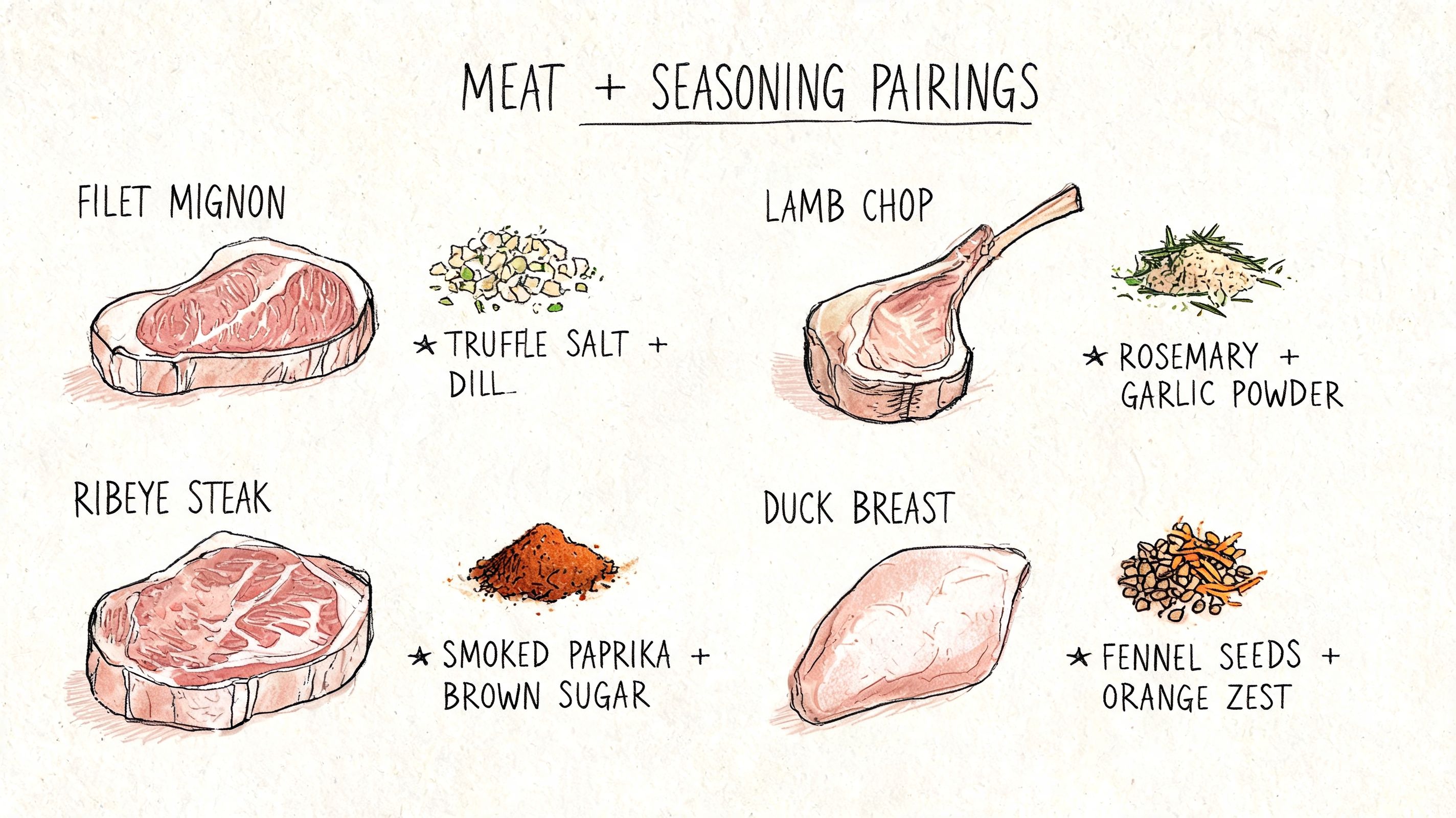
Match the seasoning to the cut
Lean cuts want restraint. Fatty cuts can take more assertive seasoning. Delicate meat needs lift, not camouflage.
A ribeye can handle a classic savoury profile because the fat carries it. A heritage pork chop benefits from sweetness and smoke, but not so much sugar that the crust burns before the centre is right. Lamb often likes brightness. If that's your lane, these juicy lamb backstrap marinade tips are useful because they focus on balance rather than drowning the meat.
The simple rules that work
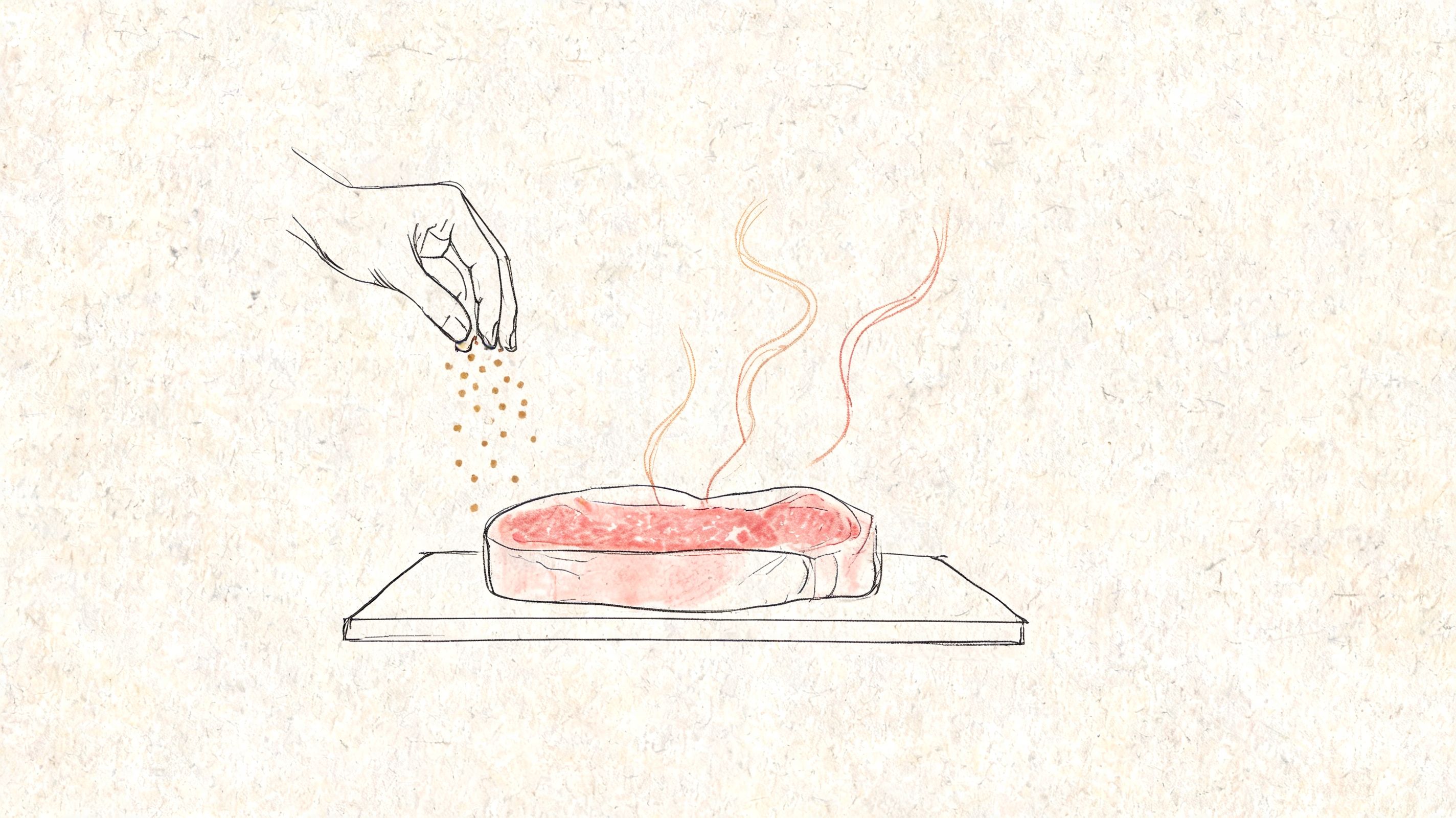
Use salt with intent. Give thicker cuts time for the seasoning to settle. Keep sugary rubs away from very aggressive direct heat unless you're watching closely. Pat the surface dry before seasoning if the meat has a lot of surface moisture from the pack.
Seasoning should sharpen what's good about the meat. If all you taste is the rub, the pairing was wrong or the application was too heavy.
A few habits improve results fast:
- For steaks. Season just before cooking for a cleaner crust, or earlier if you want the salt to penetrate further.
- For chicken thighs and wings. Coat evenly and get into the folds and joints, because that's where bland bites hide.
- For pork shoulder and ribs. Apply generously enough to build bark, but don't cake it on so thick that it forms a paste.
- For burgers. Season the outside, not the mince mix, unless you're building a very specific patty style.
Heat control finishes the job
Good seasoning doesn't rescue poor doneness. Use direct heat for colour, indirect heat for control, and rest meat long enough for juices to settle. If you're still cooking by guesswork, a thermometer fixes that quickly. This guide on how to use a meat thermometer is worth reading because it clears up where to probe and what “done” feels like across different cuts.
Expert Pairings Your Guide to Seasoning Premium Meats
The weak spot with many uk online butchers isn't the meat. It's what happens after checkout. They'll happily sell you a beautiful pork shoulder or thick-cut wings, then leave you to figure out the flavour plan alone.
That gap is real. A cited market summary notes that 62% of UK consumers seek “flavour-enhancing accessories” for premium meats, highlighting how often seasoning guidance is missing from the buying journey. That point appears in the gap analysis linked from Swaledale's online butcher context page.

Beef that tastes like beef, only louder
For a proper steak night, keep it clean. A base layer of SPG (Salt Pepper Garlic) Base Blend works well on ribeye, sirloin, rump, bavette, and flat iron because it seasons without getting clever. If you're cooking a larger beef cut and want a deeper bark, Revolution Beef Rub gives you a stronger BBQ profile.
A practical way to do it:
- Pat the beef dry.
- Apply the seasoning evenly on all sides.
- Let it sit while the grill or pan gets properly hot.
- Sear hard for colour, then finish with gentler heat if needed.
- Rest before slicing.
For beef tacos or chopped beef loaded into flatbreads, Al Pastor Taco Seasoning or Texas Red Chili Mix can take cheaper, slower-cooked cuts in a very different direction.
Pork that loves smoke and sweetness
Pork shoulder, ribs, belly, and thick chops all reward layered flavour. If I'm helping someone build confidence with their first online pork order, this is usually where they get hooked.
Hickory Hog Pork Rub is a natural fit for ribs and pulled pork. Coat the meat thoroughly, give it time to tack up, and cook low enough that the sugars darken rather than scorch. For a sweeter fruit-leaning finish on pork loin, chops, or glazed ribs, Cherry Force BBQ Rub can bring a nice contrast.
A good pork rub shouldn't turn every cut into candy. You still want to taste the pork fat, the smoke, and the rendering.
If you're stocking up for more than one cook, Pork Essentials 4 Pack makes sense because it gives you range across chops, shoulder, and ribs without duplicating flavours.
Chicken that doesn't taste like an afterthought
Chicken is where seasoning earns its keep. Premium free-range chicken still needs help on the surface, especially if you're roasting pieces, grilling thighs, or crisping wings.
For wings, Wingman Wing Rub is the obvious route. Toss wings lightly with oil, coat evenly, and cook until the skin tightens and starts to blister. For traybakes, thighs, drumsticks, or spatchcock chicken, Chipotle Cowboy Chicken Rub gives you smoke and warmth without making the whole meal too heavy.
If your household cooks a lot of chicken, Ultimate Chicken 4 Pack is a practical cupboard builder.
Lamb, skewers, flatbreads, and fast midweek cooks
Online butchers are brilliant for lamb cuts that supermarkets often underserve. Think lamb leg steaks, neck fillet, shoulder slices, or kofta-style mince.
For Greek-style wraps, grilled mince, or shaved meat cooked hot and fast, Greek Odyssey Gyros Rub is an easy match. For chicken or pork with a sharper citrus profile, Miami Mojo Citrus Blend works well in bowls, tacos, and lighter summer cooks. Fajita nights are straightforward with Holy Jalapeño Fajita Seasoning, and Spitfire Spice Blend suits anyone who wants more heat.
One practical option in this space is Smokey Rebel, which makes small-batch, filler-free rubs in recyclable craft cans. If you want to match your seasonings to the kind of meat you buy, Build your own bundle is useful because you can put together a set around beef, pork, chicken, tacos, or weeknight grilling rather than buying random jars that gather dust.
For gifting or a ready-made flavour starter, Flavour Heroes Bundle, Bar B Que Heroes Bundle, and Ultimate BBQ Seasoning Gift Set all fit the “I've got premium meat, now help me cook it well” brief.
If you're firing up a pellet cooker, it also makes sense to match fuel to flavour using wood pellets for smoking and grilling.
Frequently Asked Questions About Online Butchers
Are online butchers more expensive than supermarkets
Usually, yes. But that doesn't automatically mean worse value. You're often paying for better sourcing, more careful butchery, thicker cuts, and access to products supermarkets don't stock well. If the flavour is better and the cooking results are more reliable, the extra spend can make sense.
What's the difference between dry-aged and wet-aged beef
Dry-aged beef is aged in a controlled environment where moisture evaporates and flavour concentrates. It often tastes nuttier and more savoury. Wet-aged beef is aged in vacuum packs, so it keeps more moisture and tends to taste cleaner and slightly fresher.
Is frozen meat from an online butcher a bad sign
Not at all. It depends on how well it was frozen, packed, and shipped. Good freezing protects quality and gives you flexibility. The only real downside is planning thaw time properly.
Can I refreeze meat that arrived frozen
Be careful. If it arrived fully frozen and stayed that way, you have more options. If it has partially thawed, quality and food safety become trickier. The safest practical approach is to cook it sooner rather than assume another freeze-thaw cycle will do no harm.
What should I do if my delivery is delayed
Track it immediately and contact the butcher rather than waiting it out. Keep the box unopened until you can inspect everything properly. Once it arrives, check temperature, seals, and overall condition before deciding what can be stored or cooked.
If something feels wrong on arrival, trust your judgement and document it. A good butcher should want to see photos and sort it quickly.
How do I know if an online butcher is actually good
Read beyond the homepage. Strong product descriptions, honest cooking notes, sensible packing information, and reachable customer support tell you far more than polished branding.
What cuts are safest for a first order
Go simple. Order one steak, one slow-cook cut, and one prepared item like burgers or sausages. That gives you a read on trimming, flavour, packing, and overall consistency.
Should I season premium meat differently from supermarket meat
Usually, yes. Better meat often needs less clutter. Start with cleaner seasoning, lighter application, and better heat control. You can always add more flavour next time. You can't undo an overloaded rub once it's on.
If you're ordering from uk online butchers and want the flavour side sorted as well, take a look at Smokey Rebel. You can keep it simple with a single rub for the next cook, build a customised set around beef, pork, or chicken, or pick a gift bundle for the whole week from grill nights to low-and-slow weekends.
Join our Mailing List
Sign up and get Smokey Rebel Recipes + weekly recipes straight to your inbox!
Recent articles
Best BBQ Seasoning: A Practical UK Buyer's Guide
Find the best BBQ seasoning for UK grilling. Learn what to look for in rubs and finishing blends, flavour profiles,...
Read moreHow to Dry Rub Chicken Breast for Juicy Results Every Time
Learn how to dry rub chicken breast for bold flavour and juicy results. Covers rub application, rest times, cooking methods,...
Read moreHow to Make the Best Sausage & Apple Traybake
A practical guide to making a better sausage and apple traybake, from choosing the sausages and apples to seasoning, roasting...
Read more