Red Sea Salts Explained: Types, Flavour, and BBQ Pairings
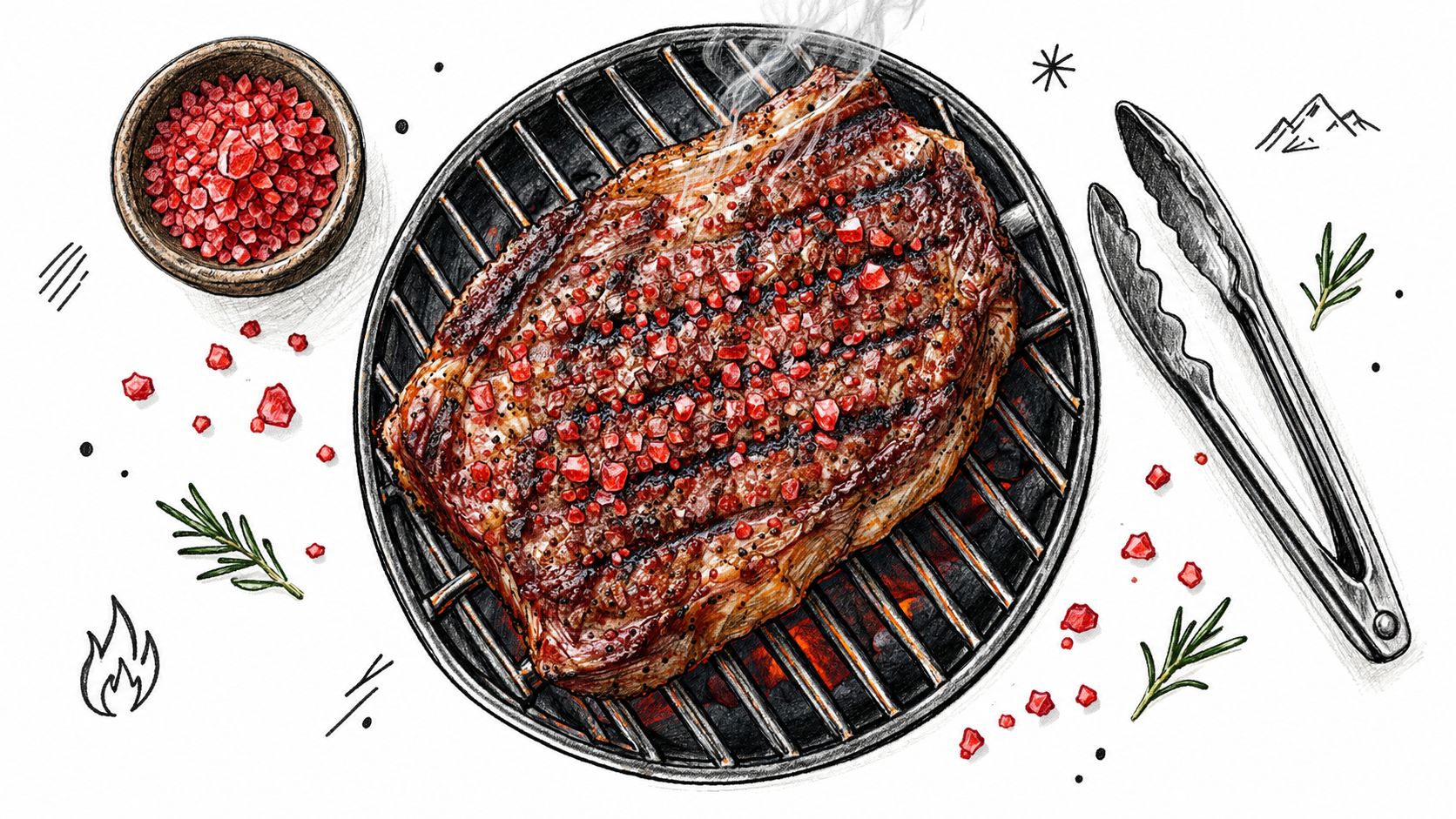
You've just pulled a steak from the grill, reached for the crimson salt in the little ceramic pot, and paused. It looks dramatic, but does it taste different from the grey salt beside the hob? The answer depends on where the colour comes from, how the crystals are shaped, and when you add them.
The phrase red sea salts covers a broad family of coloured salts rather than one single ingredient. Some are tinted by volcanic clay, others by mineral sediments or seaweed, and some are boutique blends with their own texture and moisture. They can add more than colour to a BBQ, but they won't automatically improve every cook.
This guide breaks down their origins, flavour, heat behaviour, and practical uses. You'll learn how to choose between fine salt for a rub and coarse flakes for finishing, how to avoid common myths, and which BBQ seasonings make the most sense beside each style.
What Red Sea Salts Actually Are
Red sea salts are natural salts whose colour comes from their surroundings, not usually from a bright artificial dye. Producers collect seawater or mineral-rich brine, allow water to evaporate, and harvest the remaining crystals. In some varieties, local clay adds the red tone. In others, mineral sediments, algae, or an infused ingredient changes the colour and flavour.
That makes “red” an umbrella term. Hawaiian alaea, Black Sea flakes, Korean kelp salts, and boutique coloured salts can all appear in the same conversation, even though they come from different places and behave differently in a shaker. Their shared appeal is a less uniform, more hand-finished character than heavily refined table salt.
Why the name causes confusion
The name can suggest that all red salt comes from the Red Sea. It doesn't. Much of the culinary red salt sold for BBQ use traces its colour to volcanic Hawaiian clay or mineral-rich coastal basins rather than the Red Sea itself. Salt associated with the Red Sea is generally pale rather than naturally red, so check the product's source instead of relying on the label.
Salt also has a long British food history. The Salt Association says prehistoric people in the British Isles likely made salt from seawater or inland brine springs, while Roman producers used lead salt pans to evaporate brine. It records continuous use of lead pans in Cheshire for fifteen centuries, with iron pans taking over in the 17th century as coal-driven production became more economical. The Salt Association's history of British salt making places modern seasoning in a much older cooking tradition.
Practical rule: Treat colour as a clue, not a guarantee. Read the origin, crystal size, and intended use before choosing a red salt for the grill.
Where the Colour and Minerals Come From
Think of each salt source as a growing region for seasoning. Grapes taste different depending on soil and climate. Salt crystals also reflect their environment, although the effect is usually subtler than the colour suggests.
Four origins worth knowing
Hawaiian alaea gets its brick-red appearance from alaea earth, a volcanic clay rich in iron oxides. Producers traditionally mix the clay with Pacific seawater before evaporation. The finished salt can bring a gentle earthy note and a rounded sweetness, which makes it comfortable beside charred beef, pork, and roasted root vegetables.
Black Sea flakes draw their colour and character from mineral sediments in the surrounding coastal environment. Their softer pink or red tint often comes with a delicate flake structure, so they're more useful as a finishing salt than as a dense base for a large batch of rub.
Korean kelp-infused red salts bring a marine savoury quality from seaweed. The colour may be softer than alaea, but the added umami character can suit fatty fish, pork belly, mushrooms, and grilled aubergine.
Boutique varieties, including Australian Murray-Darling red lake salts and Persian-derived salts, offer further differences in grain, moisture, and mineral character. Availability can be less predictable, so they're often pantry accents rather than everyday cooking salts.
What the minerals do on the tongue
Minerals don't turn salt into a completely different food, but they can change the way saltiness arrives. Iron-associated notes may read as earthy. Potassium can make the flavour feel rounder, while magnesium can soften the sharp edge some people notice in highly concentrated salt.
That difference matters at the grill because smoke, fat, and browning already add intensity. A harsh salt can dominate a delicate chicken thigh. A slightly earthy salt can disappear beneath a thick brisket bark unless you reserve it for the plate.

The cooking lesson is simple. Volcanic clay tends to suggest earthiness, mineral sediment shapes texture, and algae adds savoury depth. Use those traits as pairing clues, not as promises of a dramatic flavour transformation.
Comparing the Most Common Red Salts
Choosing a coloured salt gets easier when you compare function rather than packaging. A salt for a dry rub needs to distribute evenly. A finishing salt needs to stay noticeable after cooking. Moisture and crystal shape can matter as much as origin.
| Salt Type | Origin | Crystal Shape | Salinity Intensity | Best BBQ Use |
|---|---|---|---|---|
| Hawaiian alaea | Volcanic Hawaiian clay and Pacific seawater | Fine to coarse grains | Medium | Steak, pork, brisket finishing |
| Black Sea flakes | Mineral-rich Black Sea sediments | Light flakes | Gentle to medium | Roasted vegetables and grilled meat finishing |
| Korean kelp red salt | Sea salt with kelp influence | Fine to medium grains | Medium | Fatty fish, pork belly, mushrooms |
| Murray-Darling red lake salt | Australian inland lake environment | Fine to medium grains | Gentle | Chicken, turkey, and lighter vegetables |
Match the grain to the job
Fine alaea blends into a rub and spreads across meat without leaving isolated salty pockets. Coarse alaea works differently. It stays present on the surface, giving a seared steak a more deliberate mineral finish.
Black Sea flakes are fragile and attractive on the plate. Their pyramid or flake-like structure can melt evenly over roasted vegetables, but crushing them into a long-cook rib rub removes much of the textural point.
Kelp-infused red salt suits foods that can carry savoury depth. Try it on salmon, pork belly, or a grilled portobello rather than a lightly seasoned white fish. Murray-Darling salt offers a softer finish for chicken and smoked turkey, where a strongly mineral flavour might distract from the meat.
Price and availability vary by source, pack size, and retailer. Boutique salts often make more sense as finishing ingredients, while a consistent fine sea salt is easier to use in everyday seasoning.
Choose by use case: fine grains for even coverage, flakes for visible finishing, and kelp-influenced salts when the food needs extra savoury depth.
A ready-made blend can simplify the decision because its salt, pepper, herbs, and spices have already been balanced for a particular food. For a UK pantry, the relevant question is less “which red salt looks most premium?” and more “will I use this before the crystals lose their texture?”
Flavour and Texture Profiles That Matter at the Grill
Four levers decide whether a red salt works over live fire: perceived salinity, mineral depth, crystal structure, and aroma. Ignore one of them and a beautiful salt can fall flat.
Perceived salinity is about how quickly saltiness reaches your tongue. Fine crystals dissolve early and spread through a rub or marinade. Large flakes stay concentrated on the surface, creating small bursts rather than an even background flavour.
Mineral depth describes the extra earthy, marine, or rounded notes around the saltiness. Those notes need a compatible food. Earthy alaea can support beef and smoke, while a lighter red salt may be more comfortable with poultry.
Texture changes the bite
Crystal structure controls mouthfeel. Pyramid flakes fracture cleanly over sliced brisket or steak, while damp grains can clump and create uneven patches. A clump isn't automatically a quality problem, but it means you should break the salt apart before measuring.
A fine alaea salt can dissolve into a bark during a low-and-slow cook. That makes it useful when you want the mineral character integrated into the crust. Coarse Black Sea flakes should usually wait until after cooking, when their shape can remain crisp.
Aroma matters too. Volcanic salts can carry earthy, iron-associated impressions that suit charred beef. Brighter Atlantic-style reds, where available, can sit more naturally beside chicken, fish, or fresh vegetables.
Use a quick flavour-wheel check
After a cook, ask three questions:
- Salinity: Did the bite taste aggressively salty, muted, or balanced?
- Minerality: Did you notice earth, marine savouriness, or a rounded finish?
- Texture: Did the crystals dissolve, crunch, or clump?
- Aroma: Did the salt support the smoke and spice, or compete with them?
If the food tasted salty but dull, change the finishing texture rather than adding more seasoning. If the salt vanished into the bark, use larger crystals at the table.
For deeper guidance on how smoke contributes its own aroma, use this guide to smoked wood for BBQ. Choose salt by texture when it hits the meat, and by flavour when it lands on the finished plate.

Pairing Red Sea Salts with BBQ Rubs and Seasonings
Salt should support a rub, not create a second argument on the plate. Start by deciding whether the salt belongs in the pre-cook seasoning or arrives as a finishing accent.
For beef brisket and steak, use coarse alaea when you want a mineral note that can stand beside pepper, garlic, and smoke. A simple approach is to apply a light pre-salt, add your beef seasoning, then reserve the larger crystals for the sliced meat. Smokey Rebel's Revolution Beef Rub offers a direct beef-focused option, while SPG Base Blend suits cooks who want the core trio of salt, pepper, and garlic.
For pork ribs and pulled pork, fine Black Sea salt distributes more evenly during a long cook. Its gentler profile can sit comfortably beside sweet, smoky, and chilli notes. Apply the salt before the rub only if the blend itself is not already salt-forward. Otherwise, let the seasoning provide the base and add flakes after slicing.
Chicken needs restraint. Chicken thighs and wings benefit from a light red salt with herbs, garlic, or citrus nearby. For an easy weeknight cook, pat the chicken dry, coat it lightly with oil, dust with Chipotle Cowboy Chicken Rub, and cook in the air fryer or over indirect heat until the skin is browned and the meat is cooked through. Add a few finishing crystals only after resting.
Vegetables and plant-based proteins welcome contrast. Finish grilled aubergine, portobello mushrooms, or corn with flaky Persian-style salt and a smoky blend such as Spitfire Spice Blend. The same principle works with courgette, peppers, and tofu. Salt before cooking for seasoning inside the surface, then finish lightly for crunch.
The broader principles in this guide to rubs for meat help you avoid doubling up on salt.
| Protein | Red Salt | Smokey Rebel Rub | Application Stage |
|---|---|---|---|
| Steak or brisket | Coarse alaea | Revolution Beef Rub | Light pre-salt, then finish after slicing |
| Ribs or pulled pork | Fine Black Sea salt | Hickory Hog Pork Rub | Blend before smoking, finish sparingly |
| Chicken thighs or wings | Light Atlantic-style red salt | Chipotle Cowboy Chicken Rub | Apply before cooking, add flakes at the table |
| Vegetables or plant-based food | Persian-style flakes | Spitfire Spice Blend | Cook with seasoning, finish after grilling |
If you're trying different BBQ seasonings for chicken, write down the salt used, the rub applied, and whether the crystals went on before or after cooking. That small record will tell you more than a label claim.
Finishing, Brining and Pre-Salting Techniques
A red salt earns its place by performing a clear job. You don't need specialist equipment, but you do need a measured hand and a plan for timing.

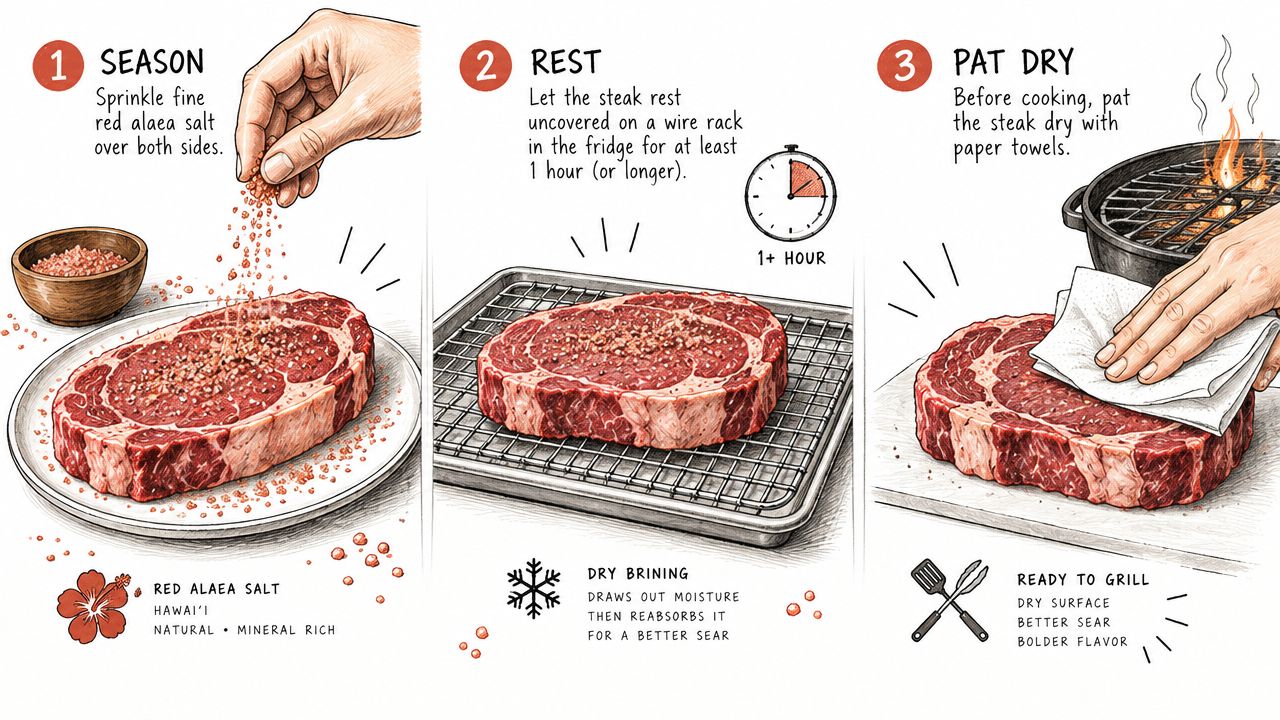
Pre-salt a steak for a better crust
Use fine alaea when you want the salt to move into the surface rather than sit as a final crunch.
- Pat the steak dry and season it evenly.
- Leave it uncovered in the refrigerator for 45 to 60 minutes.
- Remove excess surface moisture with kitchen paper.
- Grill over a properly heated grate, then rest the steak before adding a small pinch of coarse flake.
The dry surface encourages browning. If the steak looks wet before it reaches the grill, pat it again rather than adding more salt.
Wet brining needs more care because concentration affects the result. A 6 percent solution, made with red sea salt, brown sugar, and bay, can suit chicken or pork when you weigh both the water and salt accurately. Keep the meat cold during the brine, rinse only if the recipe calls for it, and dry the surface thoroughly before smoking or grilling.
For a practical introduction to poultry preparation, see this guide to dry chicken brine. Mineral-rich salts can add background character, but they don't rescue an unevenly mixed brine.
Avoid guesswork: Mix the brine completely before adding meat. Salt sitting at the bottom of the bowl can cure one section far more heavily than another.
Finish after the cook
Black Sea flakes or Persian-style sangeh are most useful on sliced brisket, smoked salmon, grilled vegetables, and rested steak. Sprinkle immediately before serving so the crystals stay distinct.
Troubleshooting is straightforward. If the finished dish is too salty, stop adding rub and balance with unsalted sides, acid, or fat. If the cure is uneven, distribute the salt over a tray rather than seasoning from one point. If crystals clump, crush them gently and transfer the salt to an airtight jar.
The humid character of Hawaiian alaea makes sealed storage especially important. Keep the jar away from steam, wet spoons, and the grill's hottest shelf.
Give the steak technique a visual pause, then use the video below to reinforce the sequence before your next cook.
Common Myths About Coloured Salts
Myth one, red salt automatically contains iodine. Colour doesn't prove iodine content. A UK thesis summarising FSA and SACN data reports that sea salt contains only about 50 µg of iodine per 100 g, while tested retail rock and table salts had negligible iodine content. The Yorkshire Reefs product information reproduces that UK context. If iodine matters to your diet, choose a clearly iodised product rather than assuming a coloured salt supplies it.
Myth two, the red colour means the salt provides a meaningful iron dose. Iron-bearing clay can influence colour and flavour, but appearance isn't a reliable nutritional measurement. Use alaea because you like its earthy finish on steak or pork, not because the colour promises a health benefit.
Myth three, an expensive finishing salt always beats kosher salt. It doesn't. Kosher salt remains useful for prep salting because its texture is easy to distribute. A red flake earns its place when you want a visible crystal and a particular finish on the plate.
Myth four, natural sea salt is lower in sodium. Sea salt still supplies sodium and should be treated as a seasoning, not a health product. A UK review notes that virtually all UK retail salts, including sea, rock, and Himalayan varieties, contain negligible iodine below 0.1 mg/kg, while iodised salt contains about 20 to 40 mg/kg. This review of iodised salt also confirms that iodised salt is available in the UK.
Myth five, high heat preserves every trace mineral intact. Grilling changes food chemistry, and volatile aromas can fade. The practical reason to use red salt is its taste, shape, and timing. Add alaea to a rub when you want integration, or save a delicate flake for the finished steak.
Putting It All Together at Your Next Cookout
Stock three salts for three jobs. Keep a coarse kosher salt for general prep, a flake red salt for finishing steaks and vegetables, and an alaea-style salt for pork, beef, and smoke-friendly rubs.
Use this four-step cadence:
- Pre-salt: Season the surface lightly before cooking, especially on steaks and thick cuts.
- Smoke or grill: Apply the compatible rub and cook as planned.
- Rest: Let the meat settle before judging the flavour.
- Finish-salt: Add a small pinch of coarse crystals only where the plate needs brightness or texture.
Pair the salt with the food rather than chasing colour. Earthy alaea can support beef and pork. Delicate flakes suit a finished steak or roasted vegetables. Kelp-influenced salt belongs with fatty fish, mushrooms, or pork belly. Fine grains work inside rubs, while coarse crystals are better when you want the diner to notice them.
For family cooking, try chicken thighs with Wingman Wing Rub, or give vegetables a brighter finish with Miami Mojo Citrus Blend. Start with one salt swap, taste the result, and only then expand your rack.
Smokey Rebel offers small-batch BBQ rubs and seasonings, including blends for chicken, pork, beef, wings, vegetables, and chilli, made with plant-based ingredients and no fillers. Visit Smokey Rebel to choose a seasoning for your next cookout, then test it with a red salt whose texture and mineral character match the food.
Join our Mailing List
Sign up and get Smokey Rebel Recipes + weekly recipes straight to your inbox!
Recent articles
Red Sea Salts Explained: Types, Flavour, and BBQ Pairings
Discover red sea salts, from Hawaiian alaea to Black Sea flakes. Learn how these mineral-rich salts differ and how to...
Read moreSmoked Beef Brisket Rub: The UK Backyard Guide
Master the smoked beef brisket rub with our UK backyard guide — ratios, application, smoking temps, and resting tips for...
Read moreUrfa Chilli Flakes Guide Flavour Uses and Pairings
Discover urfa chilli flakes - smoky Turkish isot flavour, heat level, uses, swaps, storage and easy Smokey Rebel recipes for...
Read more